November 2026 - Top IT Training Company in Chandigarh & Mohali - Skill Hives

10 Best IT Courses in 2027 to Get High-Paying Jobs in the IT Sector

Imagine two students who finish the same course in the same year. One starts getting interview calls within weeks. The other keeps refreshing the inbox. The difference is rarely luck, and it is not always marks. It comes down to a few choices made before the first class, and by the end of this blog you will know exactly what they are.

Choosing an IT course in 2027 is harder than ever. If you keep asking which course is best for IT jobs, or which IT course is best for the future, you are not alone. AI is changing how companies hire, some roles are shrinking, and new ones appear every few months. This guide covers the best courses for IT jobs, the best IT courses in demand in India, and the best IT courses for high salary, so you can pick the best course in the IT field for your goals, with facts and not hype.

Welcome to Skill Hives, a place built to give students clear, honest, and practical career information. Whether you are a school pass-out searching for the best IT courses after 12th, a college student, a fresher, or someone switching careers, this guide is written so you can decide with confidence.

What you will discover in this blog:

  • Which IT roles are growing and which are quietly slowing down
  • How AI is changing what recruiters look for in freshers
  • 10 courses worth your time and money in 2027
  • The one skill that decides whether a course turns into a high-paying job (we reveal it near the end, and it is not a programming language)

Not Sure Which IT Course Matches Your Career Goals?

Get free, honest 1-on-1 career guidance from Skill Hives mentors to pick the right high-demand track for 2027.

WhatsApp Us

Table of Content

How We Prepared This Guide (Our Promise to You)Which IT Course Is Best for IT Jobs?The IT Job Market in 2027: What Is Really Happening?How AI Is Changing IT Careers (And Why Every Student Should Care)10 Best IT Courses in 2027 for High-Paying JobsQuick Comparison: Which Course Fits You?Best IT Courses After 12thHow to Choose the Right IT Course in 2027Tips to Land a High-Paying IT Job After Your CourseThe Big Reveal: The Skill Behind Every High-Paying IT JobWhy Choose Skill Hives?Final ThoughtsFrequently Asked Questions (FAQs)

How We Prepared This Guide (Our Promise to You)

Trust comes first at Skill Hives, so here is exactly what kinds of sources this guide is built on, and how we use each one.

Source Type Examples What We Use It For
Job portals LinkedIn, Naukri, Indeed Which skills and tools appear most in current job listings
Company career pages Hiring pages of IT service and product companies Skills and qualifications employers ask for in freshers
Industry and government reports NASSCOM, World Economic Forum Future of Jobs reports, labour ministry data Long-term hiring trends and fast-growing roles
Certification bodies AWS, Microsoft, Google Cloud, CompTIA, ISC2 Official syllabus and certification paths
Learner questions and feedback Student queries and alumni experiences Real doubts, which shape our FAQs

Which IT Course Is Best for IT Jobs?

There is no single winner, but the best courses for IT jobs in 2027 depend on what you want most. Use this quick guide, then read the full details below.

  • Fastest route to your first IT job: Full Stack Web Development, Data Analytics, and Software Testing with automation are beginner-friendly and have many entry-level openings.
  • Best IT courses for the future: AI and Machine Learning, Generative AI, Cloud Computing, and Cybersecurity are growing as businesses adopt AI and move online.
  • Best IT courses for high salary: AI and Machine Learning, Cloud Computing, DevOps, Data Engineering, and Cybersecurity tend to offer strong earning scope as your skills and experience grow.
  • Best IT courses in demand in India: Full Stack Development, Data Science and Analytics, Cloud, Cybersecurity, and AI skills appear again and again in Indian job listings.

Want the full picture? Keep reading, because the right answer for you depends on your interests, and we reveal a twist at the end.

The IT Job Market in 2027: What Is Really Happening?

Before deciding which IT course is best for the future, you should understand the market you are entering. Here is an honest picture.

1. Demand has shifted from “general” to “skilled”.

Companies are no longer hiring in bulk for basic roles. They are hiring for specific, in-demand skills such as AI, cloud, cybersecurity, and data. Candidates who can show real, hands-on skills are getting the best offers.

2. AI is creating new jobs and changing old ones.

AI will not replace every IT professional, but professionals who use AI will replace those who do not. Routine tasks like basic coding, simple testing, and report writing are increasingly assisted by AI tools. At the same time, new roles are growing: AI engineer, machine learning engineer, prompt engineer, AI product specialist, and AI security analyst.

3. Skills matter more than degrees.

Many employers now focus on projects, certifications, GitHub portfolios, and practical test performance. A degree helps, but a strong portfolio often decides the final selection.

4. Cybersecurity and cloud remain consistently strong.

As more businesses move online and adopt AI, the need to protect data and manage cloud systems keeps growing. These fields have shown steady demand across industries, from banking to healthcare to e-commerce.

5. Freshers need to be job-ready from day one.

Entry-level hiring is competitive. Students who build projects, understand AI tools, and communicate well stand out from the crowd.

6. Remote and global opportunities are expanding.

Skilled professionals can now work with companies in other cities and countries, which raises earning potential for those with in-demand skills.

Note: Salaries and demand vary by city, company, experience, and skill level. Always check current job listings and salary reports before making a final decision.

How AI Is Changing IT Careers (And Why Every Student Should Care)

AI is not just one course on this list. It is a skill that now touches every IT role.

  • Developers use AI assistants to write, debug, and review code faster.
  • Testers use AI to generate test cases and find bugs automatically.
  • Data analysts use AI to clean data, find patterns, and build reports in minutes.
  • Designers use AI to create prototypes and explore ideas quickly.
  • Security teams use AI to detect threats, and also have to defend against AI-powered attacks.

The smart approach for 2027 is simple: pick a core IT skill, then add AI on top of it. A cloud engineer who understands AI, or a web developer who can build AI-powered apps, is far more valuable than someone who knows only one side.

Before the list, a surprise. The highest-paying course is not always the best course for you. After the top 10, we show a simple way to match a course to your personality, plus a twist most students learn too late. Keep reading.

10 Best IT Courses in 2027 for High-Paying Jobs

Searching for the best IT courses in demand in India? The ten courses below are chosen for hiring demand, growth potential, and earning scope. Each one lists the job roles it leads to and who it suits best.

1. Artificial Intelligence and Machine Learning

Why it is in demand: AI is the biggest driver of change in the tech industry. Companies across every sector are building AI-powered products and need people who understand how they work.

What you will learn: Python programming, statistics, machine learning algorithms, neural networks, deep learning, model deployment.

Job roles: AI Engineer, Machine Learning Engineer, Research Associate, AI Consultant.

Best for: Students comfortable with maths and logical thinking.

2. Generative AI and Large Language Model (LLM) Applications

Why it is in demand: Businesses want to use tools like chatbots, AI assistants, and content generators. They need professionals who can build, customise, and manage these systems.

What you will learn: Prompt engineering, working with LLM APIs, retrieval-augmented generation (RAG), AI agents, building AI-powered apps, responsible AI use.

Job roles: Generative AI Developer, Prompt Engineer, AI Solutions Specialist, AI Automation Expert.

Best for: Beginners and developers who want to enter AI quickly through practical projects.

3. Data Science and Data Analytics

Why it is in demand: Every business collects data, but few know how to use it. Data professionals turn raw numbers into decisions.

What you will learn: Excel, SQL, Python, Power BI or Tableau, statistics, data visualisation, basic machine learning.

Job roles: Data Analyst, Business Analyst, Data Scientist, BI Developer.

Best for: Students who enjoy problem-solving and working with numbers. It is also a good entry point for non-programming backgrounds.

4. Cybersecurity and Ethical Hacking

Why it is in demand: Cyber threats are growing, and organisations are under pressure to protect customer data and comply with regulations. Skilled security professionals are in short supply worldwide.

What you will learn: Networking basics, ethical hacking, penetration testing, security operations (SOC), cloud security, incident response.

Job roles: Security Analyst, Penetration Tester, SOC Analyst, Security Consultant.

Best for: Curious learners who like understanding how systems work, and how they can break.

5. Cloud Computing (AWS, Microsoft Azure, Google Cloud)

Why it is in demand: Most companies now run their applications on the cloud. Cloud skills are required for almost every modern IT infrastructure.

What you will learn: Cloud fundamentals, virtual machines, storage, networking, serverless computing, cloud security, and cloud certifications.

Job roles: Cloud Engineer, Cloud Architect, Solutions Architect, Cloud Support Engineer.

Best for: Students who want a stable, well-paying career with strong global demand.

Turn Course Knowledge Into Real Job Offers

Build live industry projects with 100% experienced trainers and earn STPI & NASSCOM accredited certification in Mohali.

WhatsApp Us

6. DevOps and Platform Engineering

Why it is in demand: Companies want to release software faster and more reliably. DevOps engineers connect development and operations, and are often among the better-paid IT professionals.

What you will learn: Linux, Git, CI/CD pipelines, Docker, Kubernetes, Infrastructure as Code (Terraform), monitoring tools, and AI-assisted automation.

Job roles: DevOps Engineer, Site Reliability Engineer (SRE), Platform Engineer, Release Engineer.

Best for: Students who like automation, systems, and hands-on technical work.

7. Full Stack Web Development (with AI Integration)

Why it is in demand: Every business needs websites and web apps, and full stack developers can build both the front end and back end. In 2027, developers who can also add AI features to apps have a clear edge.

What you will learn: HTML, CSS, JavaScript, React, Node.js or Python, databases, APIs, deployment, and integrating AI tools into applications.

Job roles: Full Stack Developer, Front-End Developer, Back-End Developer, Software Engineer.

Best for: Beginners who want a clear path from zero to job-ready with visible projects.

8. Data Engineering

Why it is in demand: AI and analytics are only as good as the data behind them. Data engineers build the pipelines and systems that make data reliable and usable.

What you will learn: SQL, Python, data warehousing, ETL pipelines, Apache Spark, cloud data platforms, big data tools.

Job roles: Data Engineer, Big Data Developer, Analytics Engineer, Cloud Data Engineer.

Best for: Students who enjoy programming and building systems behind the scenes.

9. UI/UX Design (with AI Design Tools)

Why it is in demand: Companies compete on user experience. Good designers help products feel simple and enjoyable, and AI tools now speed up research, wireframing, and prototyping.

What you will learn: Design thinking, user research, wireframing, prototyping in Figma, usability testing, using AI for design workflows.

Job roles: UI/UX Designer, Product Designer, UX Researcher, Interaction Designer.

Best for: Creative students who want a tech career without heavy coding.

10. Software Testing and QA Automation (with AI Testing Tools)

Why it is in demand: Every software product needs quality checks. Modern QA is moving toward automation and AI-assisted testing, and automation testers are valued over manual-only testers.

What you will learn: Manual testing basics, Selenium, Playwright, API testing, test automation frameworks, CI/CD basics, AI-based test generation.

Job roles: QA Automation Engineer, SDET, Test Analyst, Quality Engineer.

Best for: Detail-oriented students looking for an accessible entry into the IT industry.

Quick Comparison: Which Course Fits You?

Still wondering which course is best for IT jobs in your case? Match your interests below to find the best course in the IT field for you.

Your Interest Best Course Options
Love maths and logic AI and Machine Learning, Data Science
Want to start fast with projects Generative AI, Full Stack Development
Like security and problem-solving Cybersecurity
Want stable, global demand Cloud Computing, DevOps
Enjoy working with data Data Analytics, Data Engineering
Creative, less coding UI/UX Design
Detail-oriented QA Automation

Best IT Courses After 12th

If you have just finished 12th, you can enter IT from any stream, including commerce and arts, as long as you build skills step by step. The best IT courses after 12th are the ones that are beginner-friendly and give you something to show for your effort.

  • Full Stack Web Development: a clear path from zero to building real websites and apps.
  • Data Analytics: Excel, SQL, and Power BI are easy to start with and useful in almost every industry.
  • UI/UX Design: a good fit if you are creative and prefer less coding.
  • Software Testing and QA Automation: an accessible entry point for detail-oriented students.
  • AI basics and Generative AI tools: learn them alongside any course above to stay ahead

Many students pair a degree such as BCA, B.Sc IT, or B.Tech with these skill courses, so they graduate with both a qualification and practical skills. Skill Hives industrial training and internship programs are open to graduates, so build your foundation now and join industrial training when you are ready for live project experience.

How to Choose the Right IT Course in 2027

With so many options, use this simple checklist:

  • Know your interests. A course you enjoy is a course you will finish and master.
  • Check market demand. Search job portals for the role you want and note which skills appear repeatedly.
  • Look for practical learning. Pick programs with live projects, assignments, and real-world tools, not only theory.
  • Add AI to your skill set. Whatever you choose, learn how AI tools apply to that field.
  • Build a portfolio. Create 3 to 5 solid projects and share them on GitHub or LinkedIn.
  • Get certified where it matters. Certifications in cloud, security, and data can strengthen your profile.
  • Practise interviews and communication. Technical skill gets you shortlisted, communication gets you hired.

Tips to Land a High-Paying IT Job After Your Course

  • Focus on one skill deeply before spreading across many.
  • Work on real projects, internships, or freelance tasks to gain experience.
  • Keep learning. Tools and technologies change every year, so make learning a habit.
  • Network actively. Connect with professionals on LinkedIn and join tech communities.
  • Prepare a strong resume that highlights projects and measurable results, not just course names.

The Big Reveal: The Skill Behind Every High-Paying IT Job

Remember the two students from the start? Here is the answer. The student who got interview calls had learned how to learn, and how to prove it with projects. Tools and languages change every year. A course gives you knowledge, but projects, AI fluency, and clear communication turn that knowledge into a job offer.

Three mistakes that cost students months:

  • Chasing trends without basics. AI, cloud, and security all rest on strong fundamentals.
  • Collecting certificates without projects. Recruiters want proof you can build and solve problems.
  • Ignoring AI. Students who learn to use AI tools in their chosen field learn faster and work faster.

If you remember only one line from this blog, make it this: pick one course, learn it deeply, use AI to speed up your learning, and build proof.

Why Choose Skill Hives?

Skill Hives is an industrial training and internship institute in Mohali, built around live projects, personal mentorship, and a recognised certificate, so students leave with proof of skill, not just theory.

Our Numbers Details
95% Candidates who completed their courses
89% Candidates selected in reputed organisations
100% Experienced instructors
40+ Industry tools covered in training
1000+ Projects delivered by our team

What makes the difference:

  • Live projects from day one. Interns work on real projects alongside industry professionals, not only classroom exercises.
  • Mentors with real industry experience. Our trainers bring practical knowledge from working on live client projects.
  • One-on-one doubt resolution. Personal sessions make sure no concept is left unclear.
  • Personality development workshops. Communication and confidence training to help you in interviews.
  • Management visits. Students see how successful organisations run and talk to senior management.
  • Recognised certification. Every student receives a course completion certificate. Skill Hives is accredited by Software Technology Parks of India (STPI) and NASSCOM.
  • 40+ tools, hands-on. Including GitHub, Visual Studio Code, Docker, AWS, Figma, WordPress, Google Analytics, and SEO tools like Ahrefs, Moz, and SEMrush.
  • Open to all graduates. Freshers and experienced candidates from any stream can apply, with no prior IT experience required.

Programs that match this guide: AI Engineer Program, Machine Learning Expert Track, Generative AI Creator Program, Prompt Engineering Pro, Data Science Mastery, Data Analytics Pro, Full Stack Mastery Program, UI/UX Design, Test Automation Hub, and Digital Marketing, plus Android, iOS, Flutter, and React Native app development. Training duration ranges from 1 month for some digital marketing tracks to 3 or 6 months for web and app development.

Do not just take our word for it. Watch what our students say in their video testimonials on the Skill Hives YouTube channel, check our certification details, ask for the syllabus, and visit our Mohali centre before you decide.

Ready to Start Your IT Career in 2027?

Request the detailed syllabus, fee structure, and upcoming batch dates for AI, Full Stack, Data Analytics, and more.

WhatsApp Us

Final Thoughts

The IT sector in 2027 offers real opportunities, but they go to students who are skilled, practical, and adaptable. AI is not something to fear. It is a tool that, when learned early, can make your career faster and stronger. The best course in the IT field is the one that matches your interests, so pick it, build real projects, add AI to your skills, and keep improving.

At Skill Hives, our goal is to help students make informed career decisions with relevant, honest, and practical guidance. Explore more career resources and learning guides at skillhives.in and take the next step toward a career you are proud of.

Frequently Asked Questions (FAQs)

1. Which course is best for IT jobs and high salary in 2027?

There is no single best course for everyone. AI and Machine Learning, Cloud Computing, Cybersecurity, DevOps, and Data Science are among the courses with the strongest demand and earning potential. The best choice depends on your interests, background, and how much practical skill you build.

2. Can a non-IT or non-technical student learn these courses?

Yes. Courses like Data Analytics, UI/UX Design, Software Testing, and Full Stack Development are beginner-friendly and are often taken by students from commerce, arts, and science backgrounds. Start with the basics, practise regularly, and build projects. If you are looking for the best IT courses after 12th, begin with Full Stack Development, Data Analytics, or UI/UX Design.

3. Will AI replace IT jobs in the future?

AI will automate some repetitive tasks, but it is also creating new roles and increasing demand for people who can build, manage, and secure AI systems. Professionals who learn to work with AI tools will have an advantage over those who do not.

4. Do I need a degree to get a job in IT?

A degree helps, especially for some companies and government roles, but many employers now give strong weight to skills, certifications, projects, and interview performance. A combination of a degree and practical skills gives you the best chances.

5. How long does it take to become job-ready after starting an IT course?

It depends on the course and your effort. Many students become job-ready in 4 to 12 months with consistent practice, project work, and interview preparation. Advanced fields like AI and Data Science may take longer to master.

Top 50 MySQL Interview Questions and Answers for 2027

The most common MySQL interview topics are keys and constraints, joins, indexes, transactions (ACID), query optimization with EXPLAIN, window functions, and replication. Freshers are usually asked basics and simple queries; experienced candidates and DBAs are asked about performance tuning, backups, point-in-time recovery, and replication. This guide covers 50 questions across all levels.

Master MySQL Interviews

Ace your next technical round with our comprehensive guide featuring beginner-to-DBA level questions, live query challenges, and performance optimization tips.

WhatsApp Us

What interviewers ask at each level

Level Typical Topics Questions in This Guide
Beginner Tables, keys, data types, constraints, views 1–10
Intermediate Joins, indexes, stored procedures, triggers, normalization 11–22
Advanced ACID, isolation levels, deadlocks, EXPLAIN, window functions, CTEs 23–32
Query Challenges Nth highest salary, duplicates, joins, aggregation 33–42
DBA Backups, privileges, replication, point-in-time recovery, monitoring 43–50

1. Beginner Questions

1. What is MySQL?

An open-source relational database management system (RDBMS) that stores data in tables and is queried with SQL. It is owned by Oracle and runs on Linux, Windows, and macOS.

2. What is the difference between SQL and MySQL?

SQL is the query language. MySQL is a database server that implements it. PostgreSQL, SQL Server, and Oracle also speak SQL, each with its own dialect.

3. Name the main strengths of MySQL.

Open-source community edition, wide hosting support, solid performance, mature replication, good tooling, and drivers for almost every language (Python, Java, PHP, Node.js, Go).

4. What are a table, a row, and a column?

A table is a structured collection of data. A column defines one attribute (such as email), and a row is one complete record (one customer).

5. What is a primary key?

A column or combination of columns that uniquely identifies every row. It cannot be NULL and a table has at most one.

6. What is a foreign key?

A column that references the primary key of another table to enforce a relationship. Example: orders.customer_id referencing customers.id. Foreign keys are enforced by InnoDB.

7. Which data types does MySQL offer?

  • Numeric: TINYINT, INT, BIGINT, DECIMAL, FLOAT, DOUBLE
  • Text: CHAR, VARCHAR, TEXT
  • Date and time: DATE, TIME, DATETIME, TIMESTAMP, YEAR
  • Other: JSON, ENUM, BLOB, and spatial types

Booleans are stored as TINYINT(1); TRUE and FALSE are aliases for 1 and 0.

8. What is the difference between CHAR and VARCHAR?

CHAR(n) is fixed length and padded with spaces. VARCHAR(n) stores only what is needed plus a length prefix. Use CHAR for fixed-size codes (country codes) and VARCHAR for variable text.

9. What are constraints?

Rules that protect data quality: PRIMARY KEY, FOREIGN KEY, UNIQUE, NOT NULL, DEFAULT, and CHECK (enforced since MySQL 8.0.16).

10. What is a view?

A saved SELECT that behaves like a virtual table. It stores no data itself. Views simplify repeated queries and can limit which columns a user sees.

sql
CREATE VIEW active_customers AS
SELECT id, name, email FROM customers WHERE status = ‘active’;

2. Intermediate Questions

11. What is a storage engine? Compare InnoDB and MyISAM.

The engine decides how data is stored and locked. InnoDB (the default) offers transactions, row-level locking, crash recovery, and foreign keys. MyISAM has none of those, uses table-level locks, and is rarely chosen for new work. In 2027, the safe answer is “InnoDB unless there is a specific reason.”

12. Explain the types of JOIN.

  • INNER JOIN: only matching rows from both sides
  • LEFT JOIN: all left rows, matches from the right (or NULL)
  • RIGHT JOIN: the mirror image
  • CROSS JOIN: every combination of rows
  • Self join: a table joined to itself, such as employees and their managers

MySQL has no FULL OUTER JOIN; emulate it with LEFT JOIN … UNION … RIGHT JOIN.

13. What is an index and why does it matter?

An index is a separate data structure (usually a B-tree) that lets MySQL find rows without scanning the whole table. It speeds up reads and slows down writes slightly, so index the columns used in WHERE, JOIN, and ORDER BY, not everything.

14. What is a composite index and the leftmost-prefix rule?

An index over several columns, e.g. (country, city, created_at). MySQL can use it for queries that filter on country, or country + city, but generally not for city alone.

15. What is a covering index?

An index containing every column a query needs, so MySQL answers from the index without touching the table. EXPLAIN shows this as Using index.

16. Primary key vs. unique key?

Both enforce uniqueness. A table has one primary key, which cannot be NULL, and InnoDB uses it as the clustered index. A table can have many unique keys, and in MySQL a unique column can hold multiple NULL values, since NULL is not equal to NULL.

17. What is a stored procedure?

Named SQL logic stored on the server and run with CALL. It can take parameters, return result sets, and contain control flow.

sql
DELIMITER //
CREATE PROCEDURE get_students_by_age(IN min_age INT)
BEGIN
SELECT id, name FROM students WHERE age >= min_age;
END //
DELIMITER ;

CALL get_students_by_age(20);

18. What is a trigger?

Code that fires automatically before or after INSERT, UPDATE, or DELETE on a table. Common uses: audit logs and auto-filled timestamps. Overuse makes behavior hard to trace, so mention that trade-off.

19. How do you handle NULL?

Test with IS NULL / IS NOT NULL (never = NULL). Replace values with IFNULL(col, ‘n/a’) or COALESCE(a, b, c), which returns the first non-null argument.

20. What is the difference between WHERE and HAVING?

WHERE filters rows before grouping. HAVING filters groups after aggregation.

21. DELETE vs. TRUNCATE vs. DROP?

DELETE removes selected rows, is logged row by row, and can be rolled back. TRUNCATE empties the table quickly, resets AUTO_INCREMENT, and cannot be rolled back (it is DDL). DROP removes the table itself.

22. What is normalization?

Organizing data to reduce redundancy. 1NF: atomic values. 2NF: no partial dependency on part of a composite key. 3NF: no transitive dependencies. Be ready to mention that read-heavy systems sometimes denormalize on purpose.

3. Advanced Questions

23. What are ACID properties?

  • Atomicity: all statements in a transaction succeed or none do
  • Consistency: data moves from one valid state to another
  • Isolation: concurrent transactions do not corrupt each other
  • Durability: committed data survives a crash

sql
START TRANSACTION;
UPDATE accounts SET balance = balance – 100 WHERE id = 1;
UPDATE accounts SET balance = balance + 100 WHERE id = 2;
COMMIT; — or ROLLBACK on error

24. What are the transaction isolation levels?

READ UNCOMMITTED, READ COMMITTED, REPEATABLE READ (InnoDB default), and SERIALIZABLE. They trade consistency against concurrency by controlling dirty reads, non-repeatable reads, and phantom reads.

25. What is a deadlock and how do you deal with it?

Two transactions each hold a lock the other needs. InnoDB detects this and rolls one back. Reduce deadlocks by accessing tables in a consistent order, keeping transactions short, and indexing properly. Applications should retry the failed transaction. Inspect with SHOW ENGINE INNODB STATUS.

26. How do you read an EXPLAIN plan?

Look at type (aim for const, ref, range; ALL means a full scan), key (index used), rows (estimated rows examined), and Extra (Using filesort or Using temporary are warning signs). EXPLAIN ANALYZE (8.0.18+) also runs the query and shows real timings.

27. How would you optimize a slow query?

  • Capture it from the slow query log
  • Run EXPLAIN / EXPLAIN ANALYZE
  • Add or fix indexes
  • Select only needed columns
  • Avoid functions on indexed columns in WHERE (WHERE YEAR(d) = 2027 blocks the index; use a date range)
  • Paginate efficiently (keyset pagination instead of huge OFFSET)
  • Re-measure

28. What are window functions?

Functions that calculate across related rows without collapsing them: ROW_NUMBER(), RANK(), DENSE_RANK(), LAG(), LEAD(), SUM() OVER (…). Available since MySQL 8.0 and very common in interviews.

sql
SELECT name, dept_id, salary,
RANK() OVER (PARTITION BY dept_id ORDER BY salary DESC) AS dept_rank
FROM employees;

29. What is a CTE?

A Common Table Expression (WITH … AS) names a subquery for readability. Recursive CTEs handle hierarchies such as org charts and category trees.

sql
WITH RECURSIVE chain AS (
SELECT id, manager_id, name FROM employees WHERE id = 1
UNION ALL
SELECT e.id, e.manager_id, e.name
FROM employees e JOIN chain c ON e.manager_id = c.id
)
SELECT * FROM chain;

30. Stored function vs. stored procedure?

A function returns exactly one value and can be used inside a SELECT. A procedure is invoked with CALL, can return multiple result sets or OUT parameters, and can perform operations like DML.

31. Temporary table vs. derived table?

A temporary table lives for the session and can be reused across statements. A derived table is a subquery in FROM and exists only for that single statement.

32. How does MySQL support JSON?

A native JSON type with validation, functions like JSON_EXTRACT (or the -> / ->> operators), and the ability to index JSON values through generated columns or functional indexes. Good for semi-structured attributes, not a replacement for proper relational design.

Turn Knowledge Into Job-Ready Skills

Ready to go further in your career? Join Skill Hives to bridge the gap between theory and real-world database engineering.

WhatsApp Us

4. Hands-On Query Challenges

Assume tables employees(id, name, salary, dept_id, email, hire_date) and departments(dept_id, dept_name).

33. Find duplicate names.

sql
SELECT name, COUNT(*) AS cnt
FROM employees
GROUP BY name
HAVING COUNT(*) > 1;

34. Find the Nth highest salary (here N = 3).

Use DENSE_RANK so ties are handled correctly:

sql
SELECT DISTINCT salary
FROM (
SELECT salary, DENSE_RANK() OVER (ORDER BY salary DESC) AS r
FROM employees
) t
WHERE r = 3;

Alternative: SELECT DISTINCT salary FROM employees ORDER BY salary DESC LIMIT 1 OFFSET 2;

35. Second-highest salary without LIMIT.

sql
SELECT MAX(salary) FROM employees
WHERE salary < (SELECT MAX(salary) FROM employees);

36. Headcount per department.

sql SELECT d.dept_name, COUNT(e.id) AS total FROM departments d LEFT JOIN employees e ON e.dept_id = d.dept_id GROUP BY d.dept_id, d.dept_name;

37. Employees earning above the company average.

sql SELECT name, salary FROM employees WHERE salary > (SELECT AVG(salary) FROM employees);

38. Employees with no valid department.

sql
SELECT e.name
FROM employees e
LEFT JOIN departments d ON d.dept_id = e.dept_id
WHERE d.dept_id IS NULL;

39. Delete duplicates, keep the lowest id.

sql
DELETE e1
FROM employees e1
JOIN employees e2
ON e1.name = e2.name AND e1.id > e2.id;

40. Top earner in each department.

sql
SELECT * FROM (
SELECT e.*, ROW_NUMBER() OVER (PARTITION BY dept_id ORDER BY salary DESC) AS rn
FROM employees e
) x
WHERE rn = 1;

41. Hired in the last 30 days.

sql
SELECT * FROM employees
WHERE hire_date >= CURDATE() – INTERVAL 30 DAY;

42. Update one table from another.

sql
UPDATE employees e
JOIN departments d ON d.dept_id = e.dept_id
SET e.dept_name = d.dept_name;

5. DBA and Operations Questions

43. What is the slow query log?

A log of statements slower than long_query_time. Enable it dynamically:
sql
SET GLOBAL slow_query_log = ON;
SET GLOBAL long_query_time = 1;

Summarize it with mysqldumpslow or Percona’s pt-query-digest.

44. Logical vs. physical backups?

Logical (mysqldump, mysqlpump, MySQL Shell dump utilities) export SQL or data files: portable but slower on large data. Physical backups (MySQL Enterprise Backup, Percona XtraBackup, filesystem or cloud snapshots) copy data files: faster to take and restore on big systems. Always test restores, not just backups.

45. How do you manage users and privileges?

Follow least privilege and use roles.

sql
CREATE USER ‘app’@’10.0.%’ IDENTIFIED BY ‘a-strong-secret’;
CREATE ROLE ‘read_only’;
GRANT SELECT ON shop.* TO ‘read_only’;
GRANT ‘read_only’ TO ‘app’@’10.0.%’;
SET DEFAULT ROLE ‘read_only’ TO ‘app’@’10.0.%’;
FLUSH PRIVILEGES is only needed if you edit the grant tables directly, not after normal GRANT or REVOKE.

46. How does replication work, and what changed in recent versions?

The source writes changes to its binary log; replicas copy them into a relay log and apply them. Current MySQL uses inclusive terminology and syntax:

sql
— On the source
SHOW BINARY LOG STATUS; — replaces SHOW MASTER STATUS in 8.4+

— On the replica
CHANGE REPLICATION SOURCE TO
SOURCE_HOST=’10.0.0.10′,
SOURCE_USER=’repl’,
SOURCE_PASSWORD=’secret’,
SOURCE_AUTO_POSITION=1; — GTID-based
START REPLICA;
SHOW REPLICA STATUS\G

The older CHANGE MASTER TO, START SLAVE, and SHOW SLAVE STATUS forms are deprecated or removed in recent releases, so use the new names in interviews. Modes include asynchronous, semi-synchronous, and Group Replication / InnoDB Cluster for high availability.

47. What is replication lag and how do you reduce it?

Lag is the delay between a change on the source and its application on a replica (Seconds_Behind_Source). Causes: large transactions, weak replica hardware, network issues, single-threaded apply. Fixes: break big writes into batches, enable multi-threaded replicas (replica_parallel_workers), improve I/O, keep heavy reporting off lagging replicas.

48. What are binary logs used for?

Replication, point-in-time recovery, and auditing changes. Choose ROW format for safety in most cases.

49. How do you do point-in-time recovery?

Restore the last full backup, then replay binary logs up to just before the mistake:

bash
mysqlbinlog –start-position= –stop-datetime=”2027-01-15 14:00:00″ binlog.000042 | mysql -u root -p

50. How do you monitor a MySQL server and check table health?

Use SHOW PROCESSLIST, SHOW GLOBAL STATUS, and the performance_schema and sys schemas for waits, top queries, and lock contention; pair them with a metrics stack such as Prometheus with mysqld_exporter, Percona Monitoring and Management, or your cloud provider’s tools. For table checks use CHECK TABLE; InnoDB generally recovers itself after a crash, so repair tools are mostly relevant to legacy MyISAM tables.

6. How to Prepare (Skill Hives Study Plan)

  • Lock down the fundamentals. Keys, joins, indexes, normalization, and transactions come up in nearly every interview.
  • Write queries every day. Install MySQL locally or in Docker and load the Sakila or Employees sample database.
  • Learn modern SQL. Window functions and CTEs now appear constantly; many candidates still skip them.
  • Read execution plans. Being able to explain why a query is slow separates strong candidates from average ones.
  • Practice failure scenarios. Break replication, simulate a deadlock, restore from a backup, run a point-in-time recovery.
  • Think out loud. Interviewers reward clear reasoning, so state your assumptions before you write the query.
  • Know your tooling. MySQL Workbench, MySQL Shell, DBeaver, and your own preferred client are all fair game.
  • Revisit regularly. Check the release notes for the LTS version your target company uses.

Ready to go further? Skill Hives helps learners turn knowledge into job-ready skills. Bookmark this guide, practice the challenges above, and come back before every interview.

FAQ

What should I expect in a MySQL interview?

A mix of concept questions (keys, indexes, transactions), live query writing, and for senior roles, performance tuning and operations scenarios.

Is MySQL enough for a full-stack role?

It is important but not sufficient. You will also be tested on a backend language, APIs, a frontend framework, and deployment basics.

Do data analysts get MySQL questions?

Yes. Expect joins, aggregation, window functions, and date handling.

How can I practice for free?

Use MySQL Community Edition with sample databases, plus free SQL practice sites and the official MySQL documentation.

Which version should I study?

Focus on MySQL 8.4 LTS features, and skim what is new in the 9.x line.

Practice SQL Like a Pro

Build hands-on expertise with sample databases, modern window functions, and execution plans to stand out in any tech interview.

WhatsApp Us

How to Implement Form Validation in React Native: Step-by-Step Guide

The easiest way to implement form validation in React Native is to use React Hook Form with its Controller component. You define validation rules (required, min length, pattern), connect each TextInput to the form, and show error messages from the errors object. For larger forms, add a schema library like Zod or Yup through a resolver.

In this guide from Skill Hives, you will build a working profile form with real validation rules, then learn how to scale it with schema validation.

Struggling With Complex React Native Forms?

Get hands-on guidance from Skill Hives mentors to build scalable, bug-free mobile apps using React Hook Form, Zod, and TypeScript.

WhatsApp Us

Table of Content

What Is Form Validation in React Native?

Which Form Validation Library Should You Use in React Native?

Step 1: Install React Hook Form

Step 2: Set Up the Form With useForm

Step 3: Add Validation Rules With Controller

Step 4: Validate Email and Phone Number

Step 5: Submit the Form

Step 6: Choose When Validation Runs

Step 7: Use Zod for Schema Validation (TypeScript)

Step 8: Use Yup as an Alternative

Step 9: Build a Reusable Input Component

Common Form Validation Mistakes in React Native

Best Practices for React Native Form Validation

Frequently Asked Questions

Conclusion

What Is Form Validation in React Native?

Form validation is the process of checking user input before it is submitted. It catches problems such as an empty required field, an invalid email address, or a phone number with the wrong number of digits, and tells the user immediately.

Good validation improves user experience, protects your backend from bad data, and reduces failed API requests.

Which Form Validation Library Should You Use in React Native?

Option Best For Notes
React Hook Form (built-in rules) Most small and medium forms Light, no dependencies, fewer re-renders
React Hook Form + Zod TypeScript projects Schema and types come from one source
React Hook Form + Yup Projects already using Yup Mature, expressive, async validation support
Manual useState Very simple forms (1 or 2 fields) Becomes messy quickly

React Hook Form is a strong default because it isolates re-renders and keeps form state out of your component tree, which matters on mobile devices.

Step 1: Install React Hook Form

npm install react-hook-form

For schema validation later, also install a resolver and one schema library:

npm install @hookform/resolvers zod
# or
npm install @hookform/resolvers yup

Step 2: Set Up the Form With useForm

React Native has no HTML inputs, so you cannot use register directly. Use the Controller component to connect TextInput to the form.

import React from “react”;
import { View, Text, TextInput, TouchableOpacity, StyleSheet } from “react-native”;
import { useForm, Controller } from “react-hook-form”;

export default function ProfileForm() {
const {
control,
handleSubmit,
formState: { errors },
} = useForm({
defaultValues: {
bio: “”,
location: “”,
phone: “”,
},
});

const onSubmit = (data) => {
console.log(“Valid form data:”, data);
};

// JSX comes next
}

Three things to note:

  • control links each field to the form.
  • handleSubmit runs validation first and only calls your function if everything passes.
  • defaultValues should be set for every field so your controlled inputs never start as undefined.

A common mistake is destructuring onSubmit from useForm(). It does not exist there. You define onSubmit yourself, as shown above.

Step 3: Add Validation Rules With Controller

Pass a rules object to each Controller.
(

Bio

{errors.bio && {errors.bio.message}}

)}
/>

Here is what each part does:

  • rules defines what is valid.
  • onChangeText={onChange} updates the form value as the user types.
  • onBlur={onBlur} marks the field as touched.
  • errors.bio?.message shows the message when a rule fails.

Built-in validation rules

  • required: field cannot be empty
  • minLength / maxLength: limits on text length
  • min / max: limits on numbers
  • pattern: must match a regular expression
  • validate: your own custom function

Master React Native & Modern Web Development

Move beyond basic tutorials with practical, step-by-step projects designed to make you job-ready in mobile and frontend engineering.

WhatsApp Us

Step 4: Validate Email and Phone Number

Email validation with a pattern:

rules={{
required: “Email is required”,
pattern: {
value: /^\S+@\S+\.\S+$/,
message: “Enter a valid email address”,
},
}}

Indian mobile number validation (10 digits, starts with 6 to 9):

rules={{
required: “Phone number is required”,
pattern: {
value: /^[6-9]\d{9}$/,
message: “Enter a valid 10-digit mobile number”,
},
}}

Change the regular expression to match your own country’s format. If you want separate messages for separate problems, use the validate rule:

rules={{
required: “Phone number is required”,
validate: {
tenDigits: (v) => v.replace(/\D/g, “”).length === 10 || “Must be exactly 10 digits”,
validStart: (v) => /^[6-9]/.test(v) || “Must start with 6, 7, 8 or 9″,
},
}}

Set keyboardType=”phone-pad” on the TextInput so users get a number keyboard.

Step 5: Submit the Form

Submit

If any rule fails, handleSubmit blocks the submission and fills the errors object so your messages appear.

Step 6: Choose When Validation Runs

Use the mode option in useForm to control timing:

useForm({ mode: “onBlur” });

Mode When Validation Runs
onSubmit (default) When the user presses submit
onBlur When the user leaves a field
onChange On every keystroke
onTouched First on blur, then on every change
all On both blur and change

For mobile forms, onBlur or onTouched usually feels best because errors do not flash while the user is still typing.

Step 7: Use Zod for Schema Validation (TypeScript)

When forms grow, keep rules in one schema instead of scattering them across components. Zod is TypeScript-first, has zero external dependencies and infers types from your schema.

import { useForm, Controller } from “react-hook-form”;
import { zodResolver } from “@hookform/resolvers/zod”;
import * as z from “zod”;

const schema = z.object({
name: z.string().min(2, “Name must be at least 2 characters”),
email: z.email(“Enter a valid email address”),
phone: z.string().regex(/^[6-9]\d{9}$/, “Enter a valid 10-digit mobile number”),
});

type FormData = z.infer;

const { control, handleSubmit, formState: { errors } } = useForm({
resolver: zodResolver(schema),
defaultValues: { name: “”, email: “”, phone: “” },
});

The Controller and TextInput code stays the same. You simply remove rules because the schema now handles validation. Zod requires TypeScript strict mode, so enable “strict”: true in your tsconfig.json.

Step 8: Use Yup as an Alternative

Yup is a schema builder for runtime value parsing and validation, with built-in async validation support.

import { yupResolver } from “@hookform/resolvers/yup”;
import * as yup from “yup”;

const schema = yup.object({
name: yup.string().required(“Name is required”).min(2),
email: yup.string().email(“Enter a valid email”).required(“Email is required”),
phone: yup.string().matches(/^[6-9]\d{9}$/, “Enter a valid mobile number”).required(),
});

const { control, handleSubmit } = useForm({ resolver: yupResolver(schema) });

Zod or Yup? Choose Zod for new TypeScript projects where you want inferred types. Choose Yup if your team already uses it or you rely on its when conditions for dependent fields.

Step 9: Build a Reusable Input Component

Repeating the same Controller block for every field gets tiring. Wrap it once:

import { Controller } from “react-hook-form”;
import { View, Text, TextInput } from “react-native”;

export function FormInput({ control, name, label, rules, error, …props }) {
return (
(

{label}

{error && {error.message}}

)}
/>
);
}
Now each field is one line:

Common Form Validation Mistakes in React Native

  • Using register instead of Controller. register works for web inputs. React Native needs Controller.
  • Missing defaultValues. This causes uncontrolled-to-controlled warnings and undefined values.
  • Calling value.replace on undefined. Always set default values or guard with value?..
  • Forgetting onBlur. Without it, onBlur and onTouched modes will not behave correctly.
  • Using only client-side validation. Always validate again on your server.
  • Hiding the keyboard issue. Wrap long forms in ScrollView and consider KeyboardAvoidingView.

Best Practices for React Native Form Validation

  • Write clear, specific error messages such as “Enter a 10-digit mobile number” instead of “Invalid input”.
  • Show errors next to the field, not only in an alert.
  • Use the correct keyboardType (email-address, phone-pad, numeric).
  • Validate on blur or touch for a calmer experience.
  • Keep schemas in a separate file so they can be reused and tested.
  • Disable the submit button while submitting to prevent duplicate requests.

Have Questions About Your React Native Project?

Chat directly with the Skill Hives team to get personalized roadmap advice, code review tips, and course recommendations.

WhatsApp Us

Frequently Asked Questions

What is the best library for form validation in React Native?

React Hook Form is the most popular choice because it is lightweight, has no dependencies and minimizes re-renders. Pair it with Zod or Yup when you need schema-based validation.

Can I use React Hook Form in React Native?

Yes. Use the Controller component to wrap TextInput and other React Native components.

How do I validate a phone number in React Native?

Use a pattern rule with a regular expression such as /^[6-9]\d{9}$/ for Indian mobile numbers, or a custom validate function for separate error messages.

How do I validate an email in React Native?

Use a pattern rule in React Hook Form, z.email() in Zod, or yup.string().email() in Yup. Remember that the only way to truly confirm an email address is to send a verification email.

Should I use Zod or Yup with React Hook Form?

Both work through @hookform/resolvers. Zod fits TypeScript-first projects, while Yup is a good fit if it is already in your codebase.

Do I still need server-side validation?

Yes. Client-side validation improves user experience, but it can be bypassed, so your API must validate input too.

Conclusion

Form validation in React Native becomes simple when you follow a clear pattern: set up useForm, wrap each TextInput in a Controller, define rules, display errors, and submit with handleSubmit. Move to Zod or Yup when your forms grow.

At Skill Hives, we publish practical, beginner-friendly tutorials on React Native, React and modern web development. Explore more guides on Skill Hives to keep building real-world skills step by step.

Data Analyst Course in Chandigarh: Fee, Syllabus & Career Scope

Every business now runs on data. Online stores track what customers buy, banks track transactions, hospitals track patient records, and marketing teams track every click. But raw data on its own does not help anyone make a decision. Companies need people who can clean it, study it and explain what it means, and that is exactly what a data analyst does.

This is why data analytics has become a popular career option for students, freshers and working professionals. You do not need a computer science degree to begin, and the core skills, such as Excel, SQL, Python and dashboards, can be learned step by step. Skill Hives, a training institute in the Chandigarh–Mohali region, takes a practical, guided approach to learning these skills through hands-on work.

Quick answer: A data analyst course in Chandigarh teaches you to collect, clean, analyse and present data using tools such as Excel, SQL, Python, Power BI and Tableau. It suits students, freshers, career switchers and working professionals, and most programs start from the basics, so no coding background is required.

Data Analyst Course in Chandigarh: Quick Overview

📌 Details 🎯 What You Get
Course Name Data Analyst
Duration 45 Days, 3 Months, or 6 Months
Course Fee Depends on the selected course duration (45 Days, 3 Months, or 6 Months) (EMI options available)
Mode Classroom + Live Online
Eligibility Graduates, Final-Year Students, Working Professionals
Tools Covered Excel, SQL, Power BI, Python, Tableau
Syllabus Highlights Data Cleaning, Visualization, Statistics, Dashboards, Reporting
Projects 5+ Live Industry Projects
Placement Support Resume Building, Mock Interviews, Job Assistance
Career Roles Data Analyst, Business Analyst, BI Developer, Reporting Analyst
Salary Range ₹3-4 LPA (Fresher) to ₹8-12 LPA (Experienced)
Certification Industry-Recognized Course Certificate

Ready to Start Your Data Analyst Career?

Get in touch with Skill Hives for course details, training guidance and admission enquiries.

+91 98764 44677

Contact Skill Hives Today!

WhatsApp Us

What Is a Data Analyst Course and What Will You Learn?

What does a data analyst do?

A data analyst collects data, cleans it, finds patterns and presents the findings through reports and dashboards. For example, an analyst at an e-commerce company might study sales data to find which products sell best and where the business is losing money.

Why are data analysis skills important?

Businesses make better decisions when they rely on evidence, not guesses. These skills help companies cut costs, understand customers and spot problems early, and they are useful in almost every industry.

How does a data analyst course prepare beginners for industry requirements?

A good course starts with spreadsheets, then moves to databases, programming and visualization tools, with practice on real datasets along the way.

What practical skills should students develop?

  • Organising and analysing data in Excel
  • Writing SQL queries to pull data from databases
  • Cleaning messy data with Python
  • Building dashboards in Power BI or Tableau
  • Explaining findings clearly to non-technical people

Why Choose a Data Analyst Course in Chandigarh?

Chandigarh, Mohali and Panchkula together form a growing IT and technology region. Software companies, startups and service firms here regularly look for people who can work with data, so learning locally keeps you close to opportunities.

Here is what students typically look for, and why a local course helps:

  • Growing IT and technology opportunities across the Tricity
  • Classroom learning and direct trainer interaction
  • Practical assignments and real-world datasets
  • Industry-relevant tools and technologies
  • Career guidance and interview preparation
  • Opportunities to connect with local IT companies

Skill Hives is a place to develop practical digital and technical skills, with a focus on guided learning and career preparation.

Data Analyst Course Syllabus: What Will You Learn?

The data analyst course syllabus is best understood as a sequence of modules, where each one builds on the last.

Module Topics to Cover
Module 1: Excel Advanced Excel, formulas, pivot tables, charts
Module 2: Statistics Mean, median, probability, descriptive statistics
Module 3: SQL Queries, joins, subqueries, database management
Module 4: Python Python basics, Pandas, NumPy
Module 5: Data Cleaning Data preprocessing, handling missing values
Module 6: Power BI Data modelling, DAX, interactive dashboards
Module 7: Tableau Data visualisation and reporting
Module 8: Projects Real-world datasets and capstone projects

Which tools are important for beginners?

Start with Excel and SQL, which almost every analyst role uses. Add Power BI or Tableau next, since dashboards are how analysts share their work, and learn Python once the basics feel comfortable.

How much Python is required?

Less than most beginners expect: Python basics plus Pandas for tables of data and NumPy for calculations. You do not need to become a software developer.

Do students need mathematics knowledge?

Basic maths is enough. Understanding averages, percentages and simple probability covers most day-to-day analyst work. The statistics module teaches the rest from the ground up.

How does practical training help students understand the syllabus?

Ideas like SQL joins or Excel pivot tables are hard to grasp from slides alone. Applying them to a real dataset makes them click.

Want the full syllabus and upcoming batch details?

Ask Skill Hives for the current data analytics syllabus and batch schedule.

WhatsApp Us

Data Analyst Course Fee in Chandigarh: What Does the Training Cost?

The data analyst course fee depends on several factors, so two courses with the same name can cost very different amounts. The main factors are:

  • Course duration
  • Number of tools covered
  • Beginner versus advanced training
  • Practical projects and assignments
  • Classroom versus online training
  • Internship and placement assistance
  • Certification and mentorship

Fee comparison: what to compare

Training Option What to Compare
Basic Course Core Excel, SQL and analytics
Advanced Course Python, Power BI and Tableau
Professional Course Advanced projects and career preparation

When you compare institutes, look at the full package, not just the price. A lower fee with no projects or support may cost you more time later.

Want the latest numbers? Request the latest course fee, syllabus and upcoming batch details directly from Skill Hives.

Request the latest fee, syllabus and batch details

Skill Hives will share current pricing and options for the data analytics program.

WhatsApp Us

Data Analyst Course Duration and Eligibility

How long does it take to become a data analyst?

It depends on the course and how much time you practise. Most beginner-to-job-ready programs take a few months, because you need time to learn several tools and build projects. Faster crash courses cover the basics, while longer programs add more depth. Confirm the current batch durations with the institute before you enrol.

Eligibility at a glance

Learner Can They Join? What to Know
Beginners without coding experience Yes Courses usually start with Excel and basic analytics before moving to SQL and Python.
12th-pass students Yes, in most cases A good starting point to build skills early.
Graduates (any stream) Yes Graduation is helpful but not always necessary.
Non-technical students Yes Commerce, arts and science students can all learn data analytics.
Working professionals Yes Flexible batches can fit around work.

Graduation is helpful but not always necessary. Some employers prefer a degree, while others weigh skills and projects heavily.

Data Analyst Course With Placement: What Career Support Should Students Expect?

Many students search for a data analyst course with placement, so it helps to know what the phrase means. Placement assistance means the institute helps you prepare and connects you with opportunities. Guaranteed placement means a promised job, which no honest institute can offer, because hiring depends on the employer and on your own skills and effort.

A good course should offer:

  • Resume building and LinkedIn profile optimisation
  • Technical interview preparation, including SQL and Excel practice
  • Mock interviews
  • Portfolio development
  • Job application guidance
  • Employer interview opportunities, where available

At Skill Hives, enrolled students get guidance on resume building, mock interviews and placement assistance. This is support, not a guarantee, and your projects and preparation matter most.

Data Analyst Internship for Freshers: How to Get Practical Experience?

An internship is often the bridge between learning and your first job. A data analyst internship for freshers lets you work on real tasks, learn how teams operate and build experience that makes your resume stronger.

Why internships matter for freshers

Employers like to see that you can apply your skills. Even a short internship shows that you can work with real data, meet deadlines and communicate with a team.

Skills to have before applying

  • Advanced Excel fundamentals
  • SQL query writing
  • Power BI dashboard creation
  • Python basics
  • Data cleaning
  • Two to three portfolio projects

How to prepare a portfolio and find opportunities

Pick two or three projects, such as a sales dashboard or a customer analysis. For each, note the problem, the data, your steps and your findings, and put them on GitHub or a simple portfolio page. Then check company career pages, LinkedIn, internship platforms and your college placement cell, and tailor each application instead of sending the same resume everywhere.

What companies expect and how to prepare for interviews

Companies do not expect expert knowledge from freshers. They look for solid basics, curiosity, clear communication and projects that show your thinking. Revise Excel formulas, SQL joins and basic statistics, and practise walking through your projects step by step in simple words

Data Analyst Internship: What Will You Work On?

During a data analyst internship you can expect tasks like these:

  • Collecting and organising datasets
  • Cleaning incomplete data
  • Creating reports
  • Building dashboards
  • Analysing business performance
  • Identifying patterns and trends
  • Presenting findings

Course vs internship vs entry-level job

Data Analyst Course Internship Entry-Level Job
Purpose Learn skills and tools Apply skills in a real setting Do the role full time
Work Assignments and projects Guided real tasks Independent responsibilities
Duration Fixed program Short-term, often a few months Ongoing employment

A course gives you the skills, an internship gives you experience, and the entry-level job is where you put both to work.

Practical Data Analyst Projects You Should Build During Training

Projects set you apart from other applicants, because they prove you can use the tools. Here are four worth building.

Sales Performance Dashboard

Analyse sales, revenue, customer behaviour and product performance.

Tools: Excel, SQL, Power BI

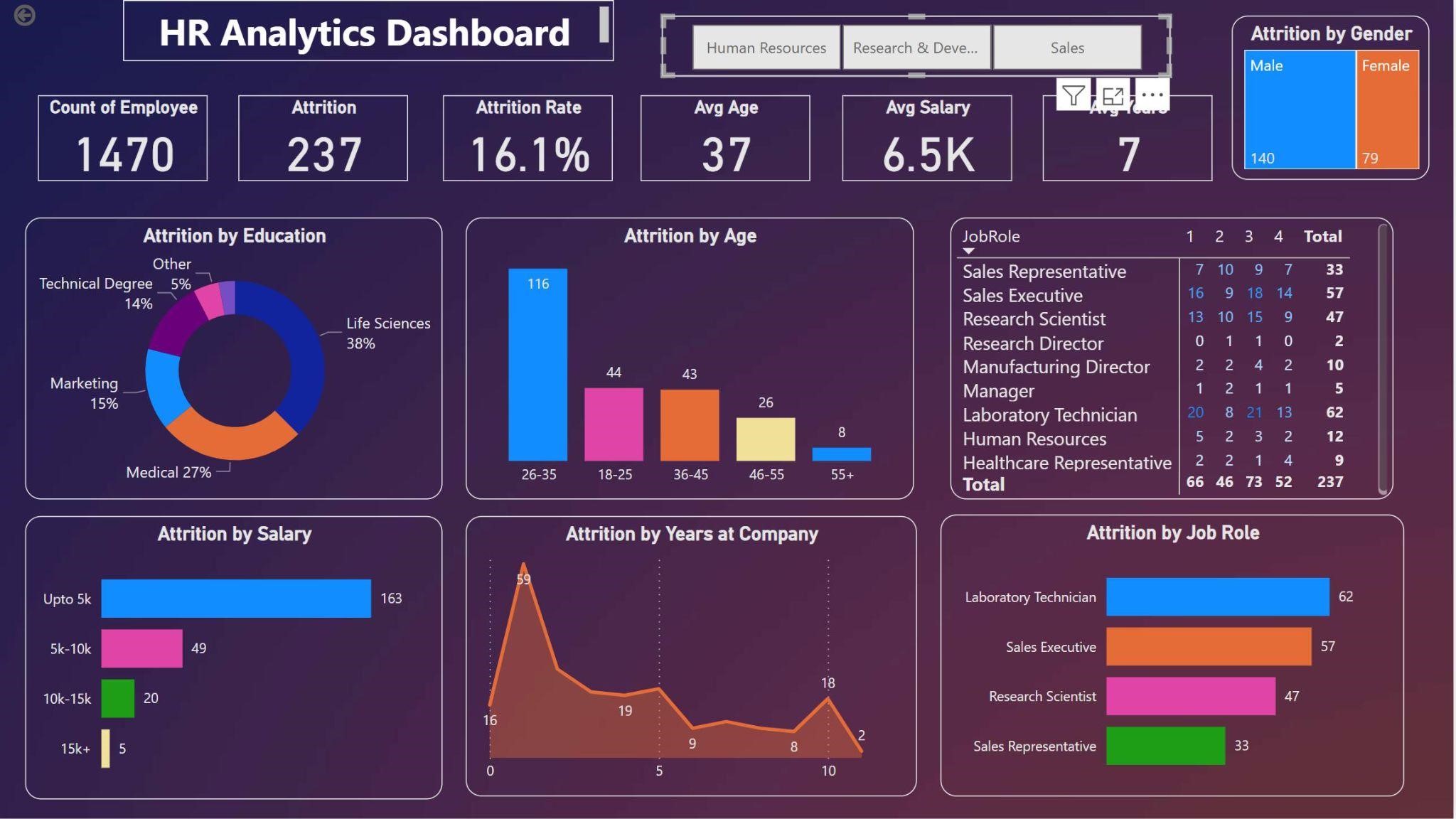
Employee Attrition Analysis

Analyse employee turnover, retention patterns and workforce trends.

Tools: Python, Excel, Power BI

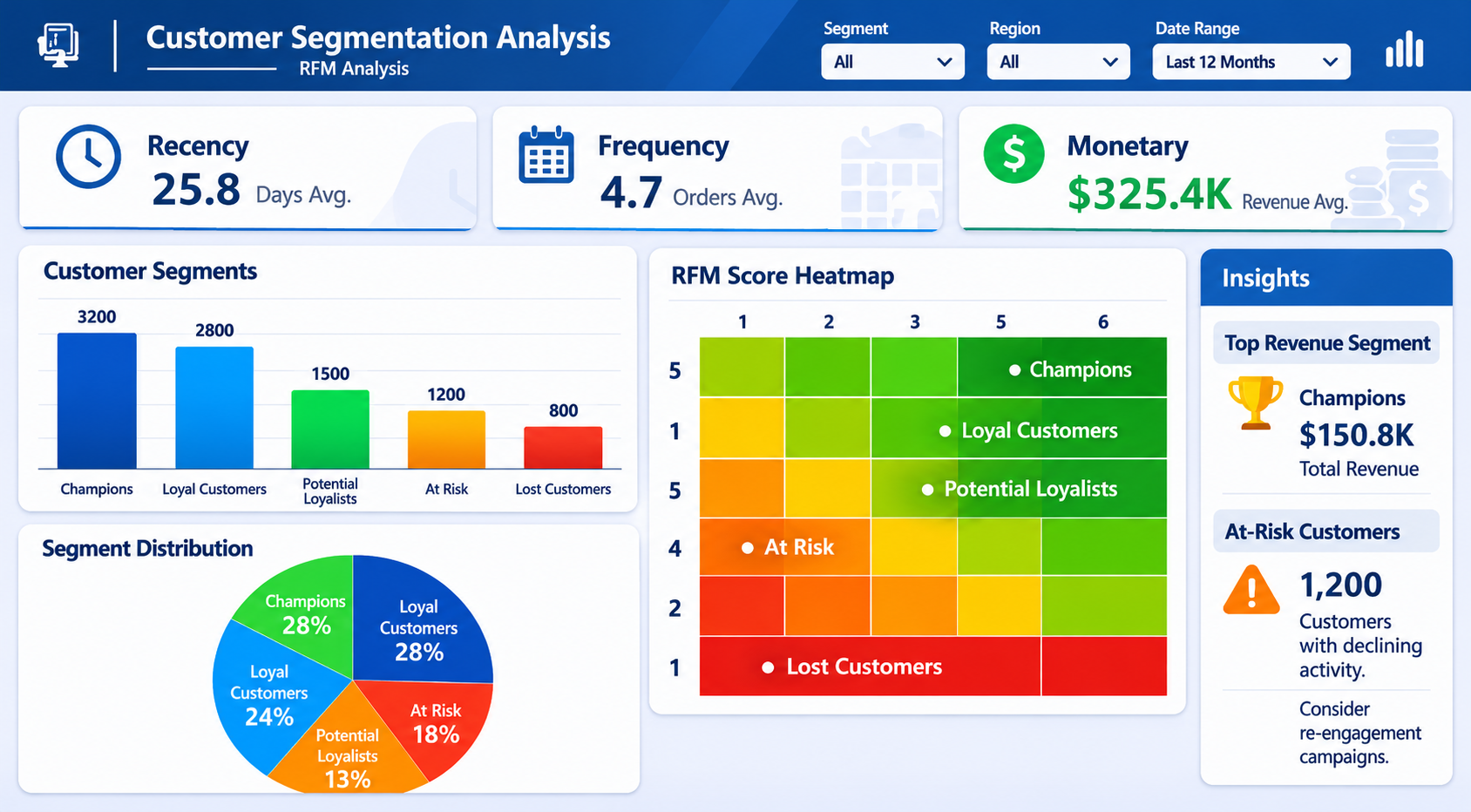
Customer Behaviour Analysis

Understand customer segments, purchasing patterns and preferences.

Tools: SQL, Python, Tableau

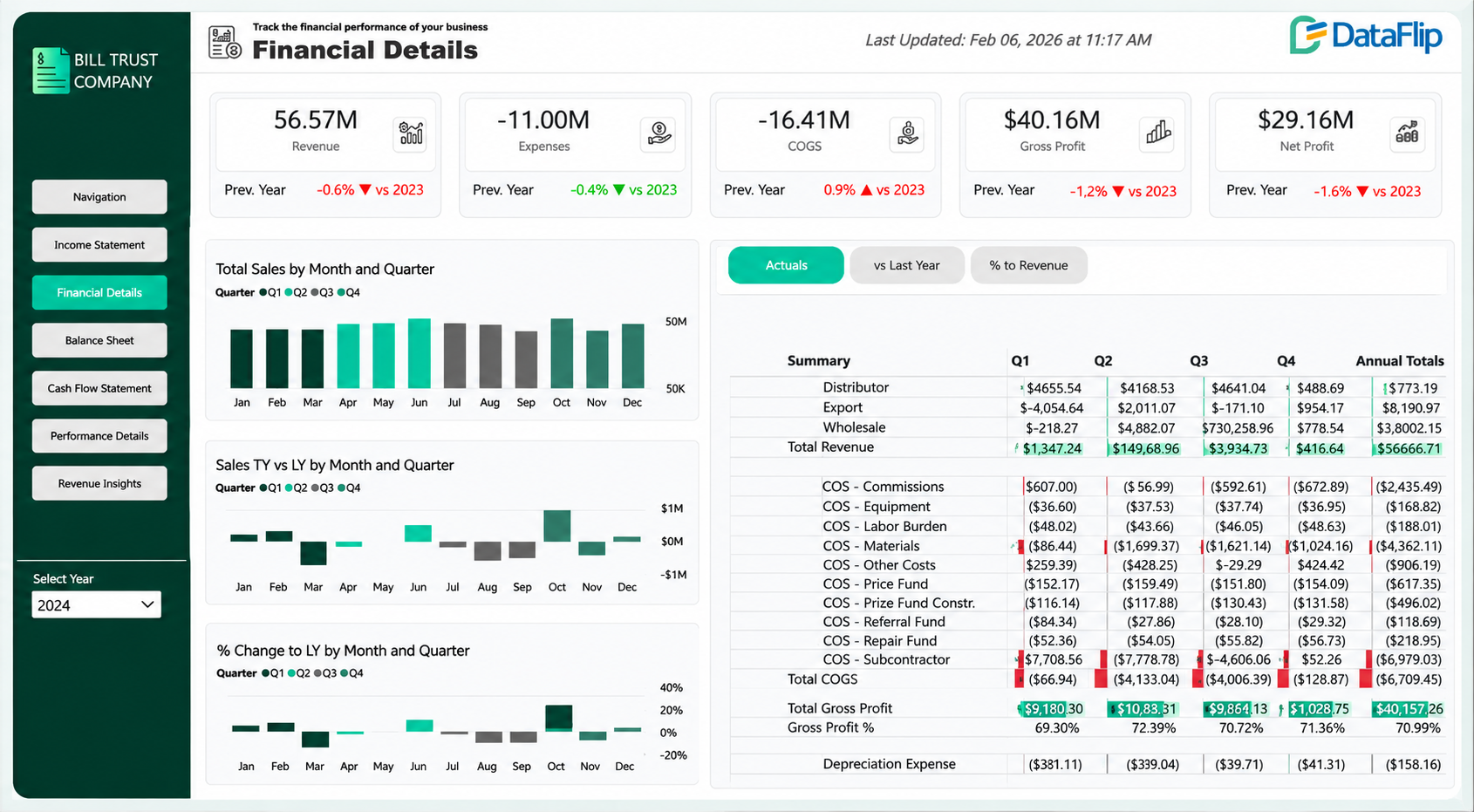
Financial Data Analysis

Study expenses, revenue trends and financial performance. Tools: Excel, SQL, Power BI

Data Analyst Career Scope in 2027: Job Roles and Opportunities

Completing training opens several career paths.

Job Role Main Responsibility
Junior Data Analyst Basic data analysis and reporting
Business Analyst Business requirements and insights
MIS Analyst Reports and data management
Power BI Developer Interactive dashboards
SQL Analyst Database queries and reporting
Reporting Analyst Performance reports and KPIs

Industries hiring data professionals

  • IT and software
  • Banking and finance
  • Healthcare
  • E-commerce
  • Marketing
  • Education
  • Retail and manufacturing

Because data is used everywhere, you can choose an industry that matches your interests.

Data Analyst Salary in Chandigarh: What Can Freshers Expect?

Salaries vary widely, so it is more useful to understand what influences pay than to chase a single number. The main factors are:

  • Entry-level versus experienced professionals
  • Technical skills and tool proficiency
  • Industry and company size
  • Project experience
  • Location and job responsibilities

Check current, reliable salary data for your role and city, and treat any figure you see as an estimate, not a guarantee.

Data Analyst vs Data Scientist vs Business Analyst: Which Career Should You Choose?

Career Primary Focus
Data Analyst Analysing data and generating insights
Data Scientist Predictive modelling and advanced analytics
Business Analyst Business requirements and process improvement

Which is best for beginners? Data analyst is usually the most approachable starting point. It needs fewer advanced maths and programming skills than data science, and it builds the foundation you would need if you later move toward data science or business analysis.

Why Choose Skill Hives for Data Analytics Training?

Choosing where to learn is a big decision. Skill Hives focuses on practical, guided learning that prepares you for real work, not just exams.

https://images.openai.com/static-rsc-4/Y9PodEHDhTQSg7H75J23UMNLtCTxqzrhx4chftgz_PvQ6hHXIvz6-rSuKgIo5UsUfPokg1zn02928XbX9Rs_r7nrVFV5h-O28m-cziR0PKULmdRK_uIS9mQeONFwsVvb8I3h5ry39TRiuc53SQFlwCMn3tOvv8_lHbHuDd8bkRE?purpose=inline

  • Practical and industry-oriented learning
  • Beginner-friendly training approach
  • Hands-on assignments and projects
  • Guidance from experienced mentors
  • Career-oriented skill development
  • Portfolio and interview preparation
  • Classroom learning and student support

Start your data analytics learning journey

Learn Excel, SQL, Python and Power BI through guided, hands-on training at Skill Hives.

WhatsApp Us

How to Choose the Right Data Analyst Training Institute in Chandigarh?

Before you pay for any course, run through this checklist:

  • Is the syllabus updated?
  • Are Excel, SQL, Python and Power BI covered?
  • Does the institute offer practical projects?
  • Are trainers experienced?
  • Is internship guidance available?
  • What placement support is provided?
  • Can students attend a demo class?
  • Are fees and course terms transparent?

Compare each institute against these points, and ask for answers in writing where you can. Skill Hives encourages students to check these criteria, attend a demo class and decide with full information.

Frequently Asked Questions

What is the fee for a Data Analyst course in Chandigarh?

Fees vary depending on course duration, syllabus, tools, projects and training format. Request the latest fee details from Skill Hives for current pricing and batch options.

What is included in a Data Analyst course syllabus?

A typical syllabus covers Excel, SQL, Python, statistics, data cleaning, Power BI, Tableau, data visualisation and practical projects.

Can freshers get a Data Analyst internship without experience?

Yes. Freshers can build foundational skills, complete projects and prepare a portfolio, then apply for internship opportunities. Strong basics and clear projects often matter more than prior job experience.

Is a Data Analyst course with placement support worth joining?

It can be, if the support is genuine. Look for practical training, resume preparation, mock interviews and career guidance. Be cautious of promises of guaranteed jobs, since no institute can control hiring.

Can I become a Data Analyst without coding experience?

Yes. Beginners can start with Excel and basic analytics before moving to SQL and Python. Prior coding experience is not always necessary.

Start Your Data Analyst Career with the Right Skills

Data analytics skills are in demand because every business needs to understand its data, and practical learning is what turns those skills into a career. This guide covered the course syllabus, the factors behind the fee, internships for freshers and the job roles open to you. Skill Hives offers guided, practical training that can help you start, whether you are a student, a fresher or a working professional looking to switch.

Ready to start your data analyst career?

Get the latest syllabus, fee and batch details, and book a free demo class with Skill Hives.

WhatsApp Us

Top 40+ Angular Interview Questions and Answers for 2027

Angular keeps evolving, and so do the interviews built around it. Hiring managers in 2027 expect more than definitions of components and directives. They want to know whether you understand signals, standalone architecture, zoneless change detection, server-side rendering, and how to build fast, maintainable apps at scale.

At Skill Hives, we help developers turn preparation into offers. This guide collects 40+ of the most relevant Angular interview questions, grouped from fundamentals to advanced topics, with clear answers you can adapt in your own words. Work through them in order, or jump to the level you need.

How to Use This Guide

  • Read each answer, then explain it out loud without looking.
  • Build a tiny example for every concept. Interviewers love follow-ups like “show me how.”
  • Focus on the why, not just the what. Trade-offs impress more than memorized definitions.

Master Angular in 2027

Level up your skills with advanced interview strategies and expert Q&A.

WhatsApp Us

Table of Content

Section 1: Angular FundamentalsSection 2: Components, Lifecycle, and CommunicationSection 3: Signals and ReactivitySection 4: Services, Dependency Injection, and RoutingSection 5: Forms, HTTP, and RxJSSection 6: Performance, SSR, and ArchitectureSection 7: Testing and ToolingBonus: Behavioral and Scenario QuestionsFinal Tips to Crack Your 2027 Angular InterviewConclusion

Section 1: Angular Fundamentals

1. What is Angular, and how is it different from AngularJS?

Angular is a TypeScript-based, open-source front-end framework maintained by Google for building single-page and server-rendered web applications. AngularJS (1.x) was JavaScript-based, used controllers and scopes, and is no longer supported. Modern Angular is component-driven, uses a compiler (Ivy), supports dependency injection, and has a reactive core built on signals and RxJS.

2. What are the main building blocks of an Angular application?

Components, templates, directives, pipes, services, dependency injection, routing, and forms. In modern Angular, standalone components are the default way to organize code, so NgModules are largely optional.

3. What is a component?

A component is a TypeScript class decorated with @Component that controls a part of the UI. It combines a template (HTML), styles (CSS/SCSS), and logic. Every Angular app has at least one root component.

4. What are standalone components?

Standalone components declare their own dependencies through the imports array instead of belonging to an NgModule. They reduce boilerplate, simplify lazy loading, and make code easier to reason about. They are the recommended default today.

5. What is a template in Angular?

A template is the HTML view of a component. It can include data binding, directives, pipes, and the built-in control flow syntax such as @if, @for, and @switch.

6. What are the types of data binding?

  • Interpolation: {{ value }}
  • Property binding: [src]=”imageUrl”
  • Event binding: (click)=”save()”
  • Two-way binding: [(ngModel)]=”name” or model() signals

7. What is the difference between interpolation and property binding?

Interpolation converts an expression to a string and inserts it into the DOM. Property binding sets a DOM property directly and preserves the value type, which matters for booleans, objects, and arrays.

8. What are directives, and what types exist?

Directives add behavior to elements. There are three kinds: components (directives with templates), structural directives (change DOM layout, like *ngIf), and attribute directives (change appearance or behavior, like ngClass). The newer built-in control flow blocks are replacing most structural directives.

9. What is the new built-in control flow?

Introduced in Angular 17, blocks like @if, @for, @switch, and @defer replace *ngIf, *ngFor, and *ngSwitch. They are easier to read, need no imports, perform better, and @for requires a track expression, which prevents common rendering mistakes.

10. What are pipes?

Pipes transform values in templates, such as date, currency, async, or json. You can create custom pipes with @Pipe. Pure pipes run only when their input changes, which makes them efficient.

Section 2: Components, Lifecycle, and Communication

11. Explain the Angular component lifecycle hooks.

The main hooks, in order, are ngOnChanges, ngOnInit, ngDoCheck, ngAfterContentInit, ngAfterContentChecked, ngAfterViewInit, ngAfterViewChecked, and ngOnDestroy. Newer APIs such as afterNextRender and afterRender are preferred for DOM work that must happen in the browser.

12. What is the difference between the constructor and ngOnInit?

The constructor is a TypeScript feature used mainly for simple initialization and injecting dependencies. ngOnInit runs after Angular has set up the component’s inputs, so it is the right place for initialization logic that depends on them.

13. How do components communicate?

  • Parent to child: inputs (input() or @Input)
  • Child to parent: outputs (output() or @Output)
  • Unrelated components: shared services, signals, or a state library
  • Template references and viewChild / contentChild queries for direct access

14. What are signal-based inputs and outputs?

The input(), output(), and model() functions are the modern alternative to decorators. Inputs become read-only signals, so you can use them in computed() and effect() without lifecycle hooks, and type-checking is stronger.

15. What is content projection?

Content projection lets a parent pass markup into a child component using . It is how you build reusable layouts like cards, modals, and tabs. You can use selectors for multi-slot projection.

16. What is ViewEncapsulation?

It controls how component styles are scoped. Emulated (default) scopes styles using generated attributes, ShadowDom uses native shadow DOM, and None makes styles global.

17. What is the difference between ng-template, ng-container, and ng-content?

ng-template defines markup that is not rendered until used. ng-container is a grouping element that adds no DOM node. ng-content marks where projected content appears.

Section 3: Signals and Reactivity

18. What are signals in Angular?

A signal is a reactive value that notifies consumers when it changes. You create one with signal(0), read it by calling it (count()), and update it with set() or update(). Signals enable fine-grained change detection, so Angular updates only what actually changed.

19. What is the difference between signal, computed, and effect?

  • signal: writable state
  • computed: read-only, lazily evaluated, memoized value derived from other signals
  • effect: runs side effects when its dependent signals change, such as logging or syncing to storage

Avoid using effects to propagate state; derive with computed instead.

20. What is linkedSignal?

linkedSignal creates a writable signal whose value resets based on another source signal. It is useful when local state depends on an input, like a selected item that resets when a list changes.

21. What are the resource and httpResource APIs?

They bring asynchronous data into the signal world. A resource exposes the value, loading state, and error as signals and re-fetches automatically when its request signal changes. They reduce boilerplate compared with manually wiring RxJS and loading flags.

22. Signals vs RxJS: when should you use each?

Use signals for synchronous state and UI-bound values. Use RxJS for streams over time: debouncing input, websockets, retries, combining events, and complex async flows. Angular provides toSignal and toObservable to convert between them.

23. What is zoneless change detection?

Zoneless Angular removes the dependency on Zone.js. Change detection is triggered by signals, events, and explicit notifications instead of monkey-patched browser APIs. The result is smaller bundles, better performance, and cleaner stack traces.

24. What is the difference between Default and OnPush change detection?

Default checks every component on each cycle. OnPush checks a component only when its inputs change by reference, an event fires inside it, an observable bound with async emits, or a signal it reads changes. OnPush is a standard performance practice and pairs naturally with signals.

Crack Your Next Angular Interview

Get ready for 2027’s toughest questions on signals, SSR, and standalone architecture.

WhatsApp Us

Section 4: Services, Dependency Injection, and Routing

25. What is dependency injection in Angular?

DI is a design pattern where a class receives its dependencies instead of creating them. Angular’s injector resolves and supplies them. It improves testability and decoupling.

26. What does providedIn: ‘root’ mean?

It registers a service as an application-wide singleton and makes it tree-shakable: if nothing uses it, it is removed from the bundle.

27. What is the inject() function?

inject() retrieves a dependency inside an injection context, such as a constructor, field initializer, or factory. It enables functional guards, interceptors, and reusable utilities without class boilerplate.

28. What are injection tokens and provider types?

InjectionToken lets you inject non-class values like configs. Provider types are useClass, useValue, useFactory, and useExisting.

29. How does routing work in Angular?

The Router maps URLs to components using a route configuration. It supports parameters, child routes, redirects, guards, resolvers, and lazy loading. In standalone apps you configure it with provideRouter(routes).

30. What is lazy loading, and how do you implement it?

Lazy loading loads code only when needed. Use loadComponent for a single standalone component or loadChildren for a set of routes. It cuts the initial bundle size and speeds up first load.

31. What are route guards and resolvers?

Guards (canActivate, canDeactivate, canMatch) control navigation and are now typically written as functions. Resolvers fetch data before a route activates so the component renders with data ready.

32. What does @defer do?

@defer lazy-loads parts of a template based on triggers like on viewport, on idle, on interaction, or on timer. You can add @placeholder, @loading, and @error blocks. It is a powerful tool for improving Core Web Vitals.

Section 5: Forms, HTTP, and RxJS

33. Template-driven vs reactive forms?

Template-driven forms rely on directives like ngModel and suit simple cases. Reactive forms are defined in code using FormGroup and FormControl, offer better control, are easier to test, and scale better for complex validation. Signal-based forms are an emerging option; confirm their current status in the official docs before relying on them.

34. How do you create a custom validator?

Write a function that receives an AbstractControl and returns null when valid or an error object when invalid. For server checks, create an async validator that returns a Promise or Observable.

35. How do you make HTTP calls in Angular?

Provide provideHttpClient() and inject HttpClient. Methods like get, post, and put return observables. Add withFetch() to use the Fetch API, which is helpful for SSR.

36. What are HTTP interceptors?

Interceptors sit between the app and the server to modify requests or responses. Common uses include adding auth tokens, global error handling, logging, and caching. Modern Angular favors functional interceptors registered with withInterceptors().

37. Explain switchMap, mergeMap, concatMap, and exhaustMap.

  • switchMap: cancels the previous inner observable (great for search)
  • mergeMap: runs inner observables in parallel
  • concatMap: queues them in order (good for saves)
  • exhaustMap: ignores new emissions while one is active (good for login buttons)

38. How do you avoid memory leaks with observables?

Use the async pipe, toSignal, takeUntilDestroyed(), or take(1) where appropriate. Always unsubscribe from long-lived streams when the component is destroyed.

Section 6: Performance, SSR, and Architecture

39. How do you optimize an Angular application’s performance?

  • Use OnPush and signals
  • Lazy load routes and use @defer
  • Add track expressions in @for
  • Use NgOptimizedImage
  • Enable SSR with hydration
  • Analyze bundles with source-map explorers and trim unused dependencies
  • Prefer pure pipes and computed values over template method calls

40. What is SSR, and what is hydration?

Server-side rendering generates HTML on the server for faster first paint and better SEO. Hydration lets the browser reuse that server-rendered DOM and attach behavior instead of destroying and recreating it. Incremental hydration goes further by hydrating deferred sections on demand.

41. What is the difference between SSR, SSG, and CSR?

CSR renders in the browser, SSR renders per request on the server, and SSG pre-renders pages at build time. Angular supports all three, and you can mix them per route.

42. What is trackBy or track, and why does it matter?

It tells Angular how to identify list items so it can reuse DOM nodes when data changes. A stable key such as an ID avoids unnecessary re-renders.

43. How do you manage state in a large Angular application?

Start simple with services and signals. For larger apps, consider NgRx (including SignalStore) or another structured solution. Choose based on team size, complexity, and the need for devtools, time-travel debugging, or strict patterns.

44. How would you structure a scalable Angular project?

Organize by feature rather than by type. Keep a clear split between core (singletons, interceptors), shared (reusable UI), and feature folders. Use lazy-loaded routes, consistent naming, and strict TypeScript settings. For very large organizations, consider monorepos with Nx.

45. How do you secure an Angular app?

Angular sanitizes values by default to prevent XSS. Avoid bypassing sanitization unless truly necessary, use HTTP-only cookies or secure token handling, enable CSP headers, protect routes with guards (while enforcing security on the server too), and keep dependencies updated.

Section 7: Testing and Tooling

46. How do you test Angular components and services?

Use TestBed to configure the test environment, with Jasmine/Karma or Jest and Vitest depending on the project setup. Mock dependencies, test inputs and outputs, and use HttpTestingController for HTTP. For end-to-end testing, Playwright and Cypress are widely used.

47. What is the Angular CLI, and which commands matter most?

The CLI scaffolds and builds apps. Key commands: ng new, ng serve, ng generate, ng build, ng test, and ng update. It uses esbuild and Vite-based tooling for fast builds and dev server startup.

48. How do you upgrade an Angular project safely?

Use ng update step by step, read the official update guide, run automated migrations (for example to standalone or the new control flow), and run your tests after each major version.

Bonus: Behavioral and Scenario Questions

Technical answers get you shortlisted. Clear thinking gets you hired. Prepare stories for questions like these:

  • Tell me about a performance problem you diagnosed in an Angular app. What was the root cause?
  • How did you migrate a legacy NgModule app to standalone components?
  • How do you decide between signals, RxJS, and NgRx for a new feature?
  • Describe a time you disagreed with a teammate about architecture.

Use the STAR method (Situation, Task, Action, Result) and include measurable outcomes, such as a 40% bundle size reduction or faster load times.

Final Tips to Crack Your 2027 Angular Interview

  • Know the modern stack. Signals, standalone components, control flow, and zoneless apps are no longer “new”; they are expected.
  • Still understand the classics. Many companies maintain older codebases, so be comfortable with NgModules, *ngIf, and decorators too.
  • Practice live coding. Build a small app with routing, forms, and API calls in under an hour.
  • Read the official docs and release notes. Angular moves quickly, and details can change between versions.
  • Explain trade-offs. There is rarely one right answer; show you can reason through options.

Conclusion

Angular interviews in 2027 reward developers who combine strong fundamentals with fluency in the framework’s modern, signal-driven direction. Use these 40+ questions as a checklist, build small projects around each topic, and practice explaining your reasoning clearly.

Ready to go deeper? Skill Hives offers structured learning paths, mock interviews, and hands-on projects to help you land your next Angular role with confidence. Start preparing today and let Skill Hives be the hive where your skills grow.

Turn Angular Prep Into Offers

Learn the why behind modern architectures and ace your next hiring loop.

WhatsApp Us

What Are the Different Types of Queue in Data Structure?

Think of a line at a railway ticket counter. The first person to arrive is served first. That is how a queue works in programming too.

A queue is a linear data structure that follows the FIFO (First In, First Out) rule. It is used in CPU scheduling, printer spooling, call centres, chat apps and many other places. Not every queue behaves the same way, though.

In this guide from Skill Hives, you will learn the main types of queue in data structure, how each works, where to use it, and how they compare.

In this article:

  • What is a queue?
  • Basic queue operations
  • Types of queue
  • Comparison table
  • Real-life applications
  • Which queue should you choose?
  • FAQs

Master Data Structures & Algorithms

Start your coding journey with Skill Hives and master technical interviews with confidence.

WhatsApp Us

What Is a Queue in Data Structure?

A queue stores elements in order. New elements are added at the rear, and elements are removed from the front.

Basic operations:

  • Enqueue: add an element at the rear
  • Dequeue: remove an element from the front
  • Peek/Front: view the front element without removing it
  • isEmpty / isFull: check the queue’s state

Types of Queue in Data Structure

There are four main types: simple, circular, priority and double-ended. Some sources also list input-restricted and output-restricted queues. These are special forms of the double-ended queue.

1. Simple Queue: Printer Jobs in an Office

Three employees send documents to the same printer. The printer handles them in the order they were received.

python

from collections import deque

print_queue = deque()

# Enqueue: jobs arrive
for job in [“Resume.pdf”, “Invoice.docx”, “Photo.png”]:
print_queue.append(job)

# Dequeue: printer processes in FIFO order
while print_queue:
print(“Printing:”, print_queue.popleft())

Output:

Printing: Resume.pdf

Printing: Invoice.docx

Printing: Photo.png

Other everyday cases: a railway or bus ticket waiting list, a bank token system, and customers waiting on a support helpline.

2. Circular Queue: Round Robin CPU Scheduling

An operating system gives each process a small slice of CPU time. If a process is unfinished, it goes to the back of the line and waits for its next turn. The line keeps cycling, like a ring. The code below uses Python’s deque to mimic that circular behaviour.

python

from collections import deque

# (process name, time needed)
processes = deque([(“P1”, 5), (“P2”, 3), (“P3″, 4)])
quantum = 2 # time slice per turn

while processes:
name, remaining = processes.popleft()
run = min(quantum, remaining)
remaining -= run
print(f”{name} runs for {run} units”)
if remaining > 0:
processes.append((name, remaining)) # back to the end of the ring
else:
print(f”{name} finished”)

Output:

P1 runs for 2 units

P2 runs for 2 units

P3 runs for 2 units

P1 runs for 2 units

P2 runs for 1 units

P2 finished

P3 runs for 2 units

P3 finished

P1 runs for 1 units

P1 finished
Other everyday cases: traffic lights cycling through red, yellow and green, and a music player on repeat.

3. Priority Queue: Hospital Emergency Room

Patients are not treated in arrival order. A heart attack patient is treated before someone with a mild fever, even if the fever patient arrived first. In this code, a lower number means higher priority.

python

import heapq

emergency_room = []

heapq.heappush(emergency_room, (3, “Fever”))
heapq.heappush(emergency_room, (1, “Heart attack”))
heapq.heappush(emergency_room, (2, “Fracture”))

while emergency_room:
priority, patient = heapq.heappop(emergency_room)
print(f”Treating: {patient} (priority {priority})”)

Output:

Treating: Heart attack (priority 1)

Treating: Fracture (priority 2)

Treating: Fever (priority 3)

Other everyday cases: Dijkstra’s shortest-path algorithm, which powers route-finding in maps, and an airline boarding order where business class boards before economy.

4. Deque (Double-Ended Queue): Browser Tabs or Undo/Redo

A deque lets you add or remove items at both ends. Imagine a list of tabs where new tabs can open at the front or the back, and either end can be closed.

python

from collections import deque

tabs = deque([“Home”, “Courses”, “Blog”])

tabs.appendleft(“Login”) # insert at front
tabs.append(“Contact”) # insert at rear
print(tabs)
# deque([‘Login’, ‘Home’, ‘Courses’, ‘Blog’, ‘Contact’])

tabs.popleft() # remove from front -> Login
tabs.pop() # remove from rear -> Contact
print(tabs)
# deque([‘Home’, ‘Courses’, ‘Blog’])
Other everyday cases: undo/redo in a text editor, and the sliding window technique in coding interviews.

5. How to Implement a Queue Using Two Stacks

You can implement a FIFO queue using two LIFO stacks: an enqueue stack (in_stack) and a dequeue stack (out_stack). When dequeuing, if out_stack is empty, all elements are popped from in_stack and pushed onto out_stack, reversing their order to achieve FIFO behavior.

python

class QueueWithTwoStacks:

def __init__(self):
self.in_stack = []
self.out_stack = []

def enqueue(self, item):
self.in_stack.append(item)

def dequeue(self):
if not self.out_stack:
while self.in_stack:
self.out_stack.append(self.in_stack.pop())
if not self.out_stack:
raise IndexError(“dequeue from empty queue”)
return self.out_stack.pop()

Queue Complexity Summary

Queue Type Enqueue Time Dequeue Time Space Complexity
Simple Queue O(1) O(1) O(n)
Circular Queue O(1) O(1) O(n)
Priority Queue (Heap) O(log n) O(log n) O(n)
Deque O(1) O(1) O(n)
Two Stacks Queue O(1) O(1) amortized O(n)

Quick Recap

Queue Type Real Example Key Behaviour
Simple Queue Printer jobs, ticket counter First come, first served
Circular Queue Round robin CPU scheduling, traffic lights Wraps around, reuses space
Priority Queue Hospital emergency room Most urgent served first
Deque Browser tabs, undo/redo Add and remove at both ends

Real-Life Applications of Queues

  • CPU scheduling: processes wait in a queue for the processor.
  • Printer spooling: print jobs are handled in arrival order.
  • Keyboard buffering: keystrokes are stored until the processor reads them.
  • Customer support systems: calls are held in order, with priority for urgent cases.
  • Graph algorithms: BFS uses a queue, and Dijkstra uses a priority queue.

Which Queue Should You Choose?

  • Need simple first-come-first-served processing? Use a simple queue.
  • Working with fixed memory and continuous data? Use a circular queue.
  • Some tasks matter more than others? Use a priority queue.
  • Need to add or remove at both ends? Use a deque.

Interview Tip from Skill Hives

Interviewers often ask:

  • Why is a circular queue better than a simple queue?
  • How do you implement a priority queue? (Answer: with a heap.)
  • What is the difference between a queue and a deque?
  • How do you implement a queue using two stacks?

Practise these with code, not just theory.

Conclusion

Queues may appear deceptively simple at first glance, yet every distinct variation serves a highly specialized purpose in computer science and software engineering. The traditional simple queue ensures fair, basic ordering through strict first-in, first-out mechanics, whereas the circular queue optimizes memory management by seamlessly recycling storage slots for continuous data streams. Meanwhile, the priority queue handles critical tasks based on urgency rather than arrival sequence, and the double-ended queue provides ultimate flexibility by permitting rapid insertions and deletions from both ends. Mastering these data structures empowers you to architect cleaner, more efficient solutions for real-world engineering challenges. Once you fully understand when and why to deploy each specific type, complex data structure and algorithm problems, along with technical interviews, will become significantly easier to conquer.

Master Data Structures & Algorithms

Ready to ace your next coding interview? Join Skill Hives for expert-led mentorship and hands-on DSA training.

WhatsApp Us

Frequently Asked Questions (FAQs)

1. What are the different types of queue in data structure?

The four main types are the simple (linear) queue, circular queue, priority queue and double-ended queue (deque). Input-restricted and output-restricted queues are special forms of the deque.

2. Which queue does not follow the FIFO principle?

The priority queue and the deque do not strictly follow FIFO. A priority queue serves elements by priority, and a deque allows insertion and deletion at both ends.

3. What is the difference between a simple queue and a circular queue?

A simple queue cannot reuse freed space at the front, which wastes memory. A circular queue connects the rear back to the front, so empty slots can be reused.

4. What is the time complexity of queue operations?

Enqueue and dequeue take O(1) in simple queues, circular queues and deques. In a heap-based priority queue, they take O(log n).

5. Where are queues used in real life?

They are used in CPU scheduling, printer spooling, keyboard buffering, call centres, message systems and graph algorithms such as BFS.

Types of Recursion in C Programming: Examples, Syntax & Uses

Recursion is one of the most powerful and most misunderstood concepts in C programming. Once it clicks, problems like factorials, tree traversal, and sorting become much easier to solve. At Skill Hives, we have seen many learners struggle with recursion simply because nobody showed them the different types and when to use each one. This guide covers all of it, with clear syntax, working examples, and real-world uses.

Master C Programming

Master the fundamentals of C programming and conquer recursive functions with expert guidance.

WhatsApp Us

Table of Content

What Is Recursion in C?

Main Types of Recursion in C

1. Direct Recursion

2. Indirect Recursion

3. Tail Recursion

4. Non-Tail (Head) Recursion

5. Linear Recursion

6. Binary Recursion

7. Tree Recursion

8. Nested Recursion

Quick Comparison Table

Recursion vs Iteration

Advantages and Disadvantages

Tips for Writing Better Recursive Code

Final Thoughts

FAQs

What Is Recursion in C?

Recursion is a technique where a function calls itself to solve a smaller version of the same problem. Every recursive function needs two things:

  • Base case: the condition that stops the recursion.
  • Recursive case: the part where the function calls itself with a smaller or simpler input.

Without a base case, the function calls itself forever until the program crashes with a stack overflow.

General syntax:

c
return_type function_name(parameters) {
if (base_condition) {
return value; // base case
}
return function_name(modified_parameters); // recursive case
}

Main Types of Recursion in C

Recursion is classified by how and where the function calls itself. The main types are:

  • Direct recursion
  • Indirect recursion
  • Tail recursion
  • Non-tail (head) recursion
  • Linear recursion
  • Binary recursion
  • Tree recursion
  • Nested recursion

Let’s go through each one.

1. Direct Recursion

In direct recursion, a function calls itself directly inside its own body.

c
#include

int factorial(int n) {
if (n == 0 || n == 1)
return 1;
return n * factorial(n – 1);
}

int main() {
printf(“Factorial of 5 = %d”, factorial(5));
return 0;
}

Output: Factorial of 5 = 120

Uses: factorials, sum of natural numbers, power calculations, GCD.

2. Indirect Recursion

In indirect recursion, a function calls another function, and that function eventually calls the first one back. It is also called mutual recursion.
c
#include

int isOdd(int n);

int isEven(int n) {
if (n == 0) return 1;
return isOdd(n – 1);
}

int isOdd(int n) {
if (n == 0) return 0;
return isEven(n – 1);
}

int main() {
printf(“%d\n”, isEven(10)); // 1 (true)
return 0;
}

Uses: state machines, parsers, and problems that naturally alternate between two behaviors.

3. Tail Recursion

A recursion is tail recursive when the recursive call is the very last statement in the function. Nothing is left to do after the call returns. Many compilers can optimize this form so it uses constant stack space.
c
#include

int factorialTail(int n, int result) {
if (n == 0)
return result;
return factorialTail(n – 1, n * result);
}

int main() {
printf(“%d”, factorialTail(5, 1)); // 120
return 0;
}

Uses: performance-sensitive loops rewritten recursively, accumulator-based calculations.

4. Non-Tail (Head) Recursion

In non-tail recursion, there is work left to do after the recursive call returns. When the recursive call comes first, before any processing, it is often called head recursion.
c
#include

void printUpTo(int n) {
if (n == 0)
return;
printUpTo(n – 1); // call first
printf(“%d “, n); // work after the call
}

int main() {
printUpTo(5); // Output: 1 2 3 4 5
return 0;
}
Because the printing happens after the call returns, the numbers appear in ascending order even though the function counts down.

Uses: printing in reverse order, processing data after reaching the deepest level.

5. Linear Recursion

In linear recursion, the function makes only one recursive call per execution. Factorial and array sum are common examples.
c
#include

int sumArray(int arr[], int n) {
if (n == 0)
return 0;
return arr[n – 1] + sumArray(arr, n – 1);
}

int main() {
int arr[] = {2, 4, 6, 8};
printf(“Sum = %d”, sumArray(arr, 4)); // 20
return 0;
}

Uses: traversing arrays, linked lists, and strings.

6. Binary Recursion

In binary recursion, the function makes two recursive calls in each execution. The classic example is the Fibonacci sequence.
c
#include

int fib(int n) {
if (n <= 1)
return n;
return fib(n – 1) + fib(n – 2);
}

int main() {
printf(“Fib(6) = %d”, fib(6)); // 8
return 0;
}

Uses: Fibonacci numbers, binary search (recursive form), merge sort, quick sort.

7. Tree Recursion

Tree recursion occurs when a function makes multiple recursive calls, so the calls branch out like a tree. Binary recursion is a special case. Tower of Hanoi is a good example.
c
#include

void hanoi(int n, char from, char to, char aux) {
if (n == 0)
return;
hanoi(n – 1, from, aux, to);
printf(“Move disk %d from %c to %c\n”, n, from, to);
hanoi(n – 1, aux, to, from);
}

int main() {
hanoi(3, ‘A’, ‘C’, ‘B’);
return 0;
}

Uses: Tower of Hanoi, tree traversals (inorder, preorder, postorder), backtracking and combinatorial problems.

8. Nested Recursion

In nested recursion, the argument of a recursive call is itself a recursive call. It is rare but important to understand. The Ackermann function is the standard example.
c
#include

int ackermann(int m, int n) {
if (m == 0)
return n + 1;
if (n == 0)
return ackermann(m – 1, 1);
return ackermann(m – 1, ackermann(m, n – 1));
}

int main() {
printf(“%d”, ackermann(2, 3)); // 9
return 0;
}
Uses: mostly theoretical, such as studying computability and the limits of recursion.

Ready to Level Up Your Coding?

Transform your logic skills and learn advanced programming concepts with structured lessons from Skill Hives.

WhatsApp Us

Quick Comparison Table

Type Recursive Calls Key Feature Common Example
Direct 1 (to itself) Function calls itself Factorial
Indirect Between functions A calls B, B calls A isEven / isOdd
Tail Last statement Optimizable Accumulator factorial
Non-tail Work after call Uses more stack Print 1 to n
Linear 1 per execution Single chain Array sum
Binary 2 per execution Two branches Fibonacci
Tree 2 or more Branching calls Tower of Hanoi
Nested Call inside a call Argument is recursive Ackermann

Recursion vs Iteration

Feature Recursion Iteration
Memory Uses call stack Uses less memory
Speed Usually slower Usually faster
Code length Shorter, cleaner Can be longer
Best for Trees, divide and conquer Simple repetition

Advantages and Disadvantages

Advantages

  • Makes complex problems easier to express
  • Reduces code length
  • Ideal for tree, graph, and divide-and-conquer problems

Disadvantages

  • Higher memory use because of stack frames
  • Risk of stack overflow with deep recursion
  • Can be slower than loops

Tips for Writing Better Recursive Code

  • Always define a clear base case first.
  • Make sure each call moves closer to the base case.
  • Prefer tail recursion when possible.
  • Avoid repeated calculations, as in naive Fibonacci, by using memoization or iteration.
  • Trace small inputs on paper to understand the call flow.

Final Thoughts

Recursion in C becomes simple once you recognize the pattern behind each type. Direct and linear recursion are good starting points, tail recursion helps with efficiency, and tree and binary recursion unlock more advanced problems. Keep practicing with small programs, and the logic will become natural.

If you want to build strong C programming fundamentals with guided practice, Skill Hives offers structured learning to take you from beginner to confident programmer.

Practice With Confidence

Access hands-on coding exercises, real-world examples, and expert feedback to write better recursive code.

WhatsApp Us

FAQs

1. What is recursion in C programming?

Recursion is a technique where a function calls itself to solve a smaller instance of the same problem until it reaches a base case that stops the calls.

2. How many types of recursion are there in C?

The commonly taught types are direct, indirect, tail, non-tail (head), linear, binary, tree, and nested recursion.

3. What is the difference between tail and non-tail recursion?

In tail recursion, the recursive call is the last operation, so nothing remains to be done after it returns. In non-tail recursion, additional work happens after the call returns, so each call must stay on the stack.

4. What causes a stack overflow in recursion?

A stack overflow happens when a recursive function has no base case, or the base case is never reached, so the calls pile up until the call stack runs out of memory.

5. Is recursion better than iteration in C?

Neither is always better. Recursion gives cleaner code for problems like tree traversal and divide-and-conquer algorithms, while iteration is generally faster and more memory-efficient for simple repetitive tasks.

6. Where is recursion used in real applications?

Recursion is used in file system traversal, sorting algorithms such as merge sort and quick sort, tree and graph processing, parsing expressions, and solving puzzles like Tower of Hanoi and the N-Queens problem.

30 Common MongoDB Interview Questions Every Developer Should Prepare 2027

Mastering NoSQL database concepts is essential for modern software engineering roles. Whether you are aiming for a backend position or a full-stack MERN role, clearing technical interviews requires a deep understanding of document design, indexing strategies, and performance optimization. This comprehensive guide covers 30 top MongoDB interview questions ranging from basic CRUD operations to advanced aggregation pipelines, replication, and sharding. Prepare effectively with practical code examples, industry insights, and expert tips designed to help you ace your next technical evaluation and secure your dream developer job with confidence.

Master Backend Development

Build Robust Database Skills for Top Tech Roles

WhatsApp Us

Table of Content

Beginner level

Intermediate level

Advanced level

Why Prepare with Skill Hives?

FAQs

Beginner level

1. What is MongoDB?

MongoDB is an open-source, document-oriented NoSQL database. It stores data as flexible, JSON-like BSON documents instead of rows and columns, which makes it well suited to changing data models and horizontal scaling.

2. How does MongoDB differ from a relational database?

MongoDB is schema-flexible, stores documents in collections, and scales horizontally through sharding. SQL databases use fixed schemas, tables and joins, and traditionally scale vertically.

3. What is BSON?

BSON (Binary JSON) is MongoDB’s storage format. It adds types JSON lacks, such as Date, ObjectId, Decimal128 and binary data, and it is faster to traverse.

4. What is a collection and a document?

A document is a single record made of field-value pairs. A collection is a group of documents, similar to a table, but documents in it need not share the same structure.

5. What is _id?

Every document has a unique _id field that acts as its primary key. If you don’t supply one, MongoDB generates a 12-byte ObjectId containing a timestamp, machine/process identifier and counter.

6. How do you perform CRUD operations?

js
db.users.insertOne({ name: “Ravi”, age: 28 })
db.users.find({ age: { $gt: 25 } })
db.users.updateOne({ name: “Ravi” }, { $set: { age: 29 } })
db.users.deleteOne({ name: “Ravi” })

7. What is the difference between find() and findOne()?

find() returns a cursor over all matching documents. findOne() returns the first matching document, or null.

8. What are the common data types in MongoDB?

String, Number (Int32, Int64, Double, Decimal128), Boolean, Date, ObjectId, Array, Object (embedded document), Null and Binary Data.

9. What are $set, $unset, $inc and $push?

These are update operators. $set sets a field, $unset removes it, $inc increments a number, and $push appends to an array.

10. What is the difference between $and and $or?

$and matches documents that satisfy all conditions. $or matches documents that satisfy at least one.

Intermediate level

11. What are indexes and why are they important?

Indexes are data structures that let MongoDB find documents without scanning the whole collection. Without them, queries do a collection scan (COLLSCAN), which is slow on large data.

12. What types of indexes does MongoDB support?

Single field, compound, multikey (arrays), text, geospatial (2dsphere), hashed, TTL, partial, sparse, unique and wildcard indexes.

13. How do you analyze query performance?

Use explain(“executionStats”). Look for IXSCAN rather than COLLSCAN, and compare totalDocsExamined with nReturned.
js
db.orders.find({ status: “shipped” }).explain(“executionStats”)

14. What is the aggregation framework?

It is a pipeline of stages ($match, $group, $sort, $project, $lookup, $unwind) that transforms and analyzes data.

js
db.orders.aggregate([
{ $match: { status: “paid” } },
{ $group: { _id: “$userId”, total: { $sum: “$amount” } } },
{ $sort: { total: -1 } }
])

15. What is $lookup?

It performs a left outer join between collections inside an aggregation pipeline. It works, but it is costlier than reading embedded data.

16. Embedding vs referencing: when do you use each?

Embed when datais read together, has a one-to-few relationship and is rarely updated independently. Reference when the relationship is one-to-many or many-to-many, the data is large, or it changes often.

17. What is the ESR rule for compound indexes?

Order fields as Equality, Sort, Range. Following it lets MongoDB use the index for filtering and sorting efficiently.

18. What is a covered query?

A query where all requested fields are in the index, so MongoDB never reads the documents. It is very fast.

19. What is a TTL index?

An index that automatically deletes documents after a set time, useful for sessions, OTPs and logs.

js
db.sessions.createIndex({ createdAt: 1 }, { expireAfterSeconds: 3600 })

20. What is the difference between updateOne and replaceOne?

updateOne modifies specific fields using operators. replaceOne replaces the whole document except _id.

Ace Your Technical Interviews

Get Expert Guidance and Real-World Project Training

WhatsApp Us

Advanced level

21. What is replication in MongoDB?

A replica set is a group of mongod instances holding the same data: one primary handles writes and secondaries replicate it. It gives high availability and automatic failover through elections.

22. What is sharding?

Sharding distributes data across multiple servers (shards) using a shard key. It enables horizontal scaling, and a mongos router directs queries to the right shard.

23. How do you choose a good shard key?

Pick a key with high cardinality, even distribution and good query isolation. Avoid monotonically increasing keys, which create hotspots. Hashed or compound keys often help.

24. What are write concern and read concern?

Write concern sets how many nodes must acknowledge a write (w: 1, w: “majority”). Read concern sets the consistency level of reads (local, majority, snapshot).

25. Does MongoDB support ACID transactions?

Yes. Single-document operations are always atomic. Multi-document ACID transactions have been supported since 4.0 on replica sets and since 4.2 on sharded clusters. They carry a performance cost, so good schema design should minimize their need.

26. What is the WiredTiger storage engine?

It is MongoDB’s default engine. It provides document-level concurrency, compression (Snappy, zstd) and checkpointing with journaling for durability.

27. What are change streams?

They let applications subscribe to real-time changes on a collection, database or cluster without polling. They are built on the oplog and useful for event-driven systems.

28. What is the oplog?

The operations log is a capped collection on the primary that records all write operations, and secondaries replay it to stay in sync.

29. How do you secure a MongoDB deployment?

Enable authentication and role-based access control, use TLS, restrict network access (bind IP, firewall, VPC), encrypt data at rest, enable auditing, and consider Queryable Encryption for sensitive fields.

30. How would you design a schema for an e-commerce app?

Keep users, products and orders as separate collections. Embed order line items inside the order, store a price snapshot at purchase time, and reference productId and userId. Add compound indexes such as { userId: 1, createdAt: -1 }, and use the Bucket or Extended Reference pattern where it fits.

Why Prepare with Skill Hives?

Skill Hives is a learning platform for developers who want practical, job-ready skills. We focus on real projects, clear explanations and interview preparation rather than theory alone.

When you prepare with Skill Hives, you get:

  • Interview-focused content: questions grouped by Fresher, Intermediate and Advanced levels.
  • Hands-on practice: code examples and mini-projects you can build yourself.
  • Updated material: content refreshed for current technologies and hiring trends.
  • Career guidance: tips on resumes, portfolios and technical rounds.

Advance Your Tech Career Today

Transform Your Coding Profile with Industry-Ready Expertise

WhatsApp Us

FAQs

Q1. How should I prepare for a MongoDB interview in 2027?

Master CRUD, indexing, the aggregation pipeline, schema design, replication and sharding. Practice on a free MongoDB Atlas cluster and be ready to explain your design choices.

Q2. Is MongoDB still in demand in India?

Yes. It is widely used in startups, fintech, e-commerce and MERN stack roles, and Atlas adoption keeps demand steady.

Q3. What MongoDB topics do interviewers ask most?

Indexing and query optimization, aggregation, embedding vs referencing, replication, sharding and transactions.

Q4. Is MongoDB better than MySQL?

Neither is universally better. MongoDB suits flexible, fast-evolving and high-scale document data, while MySQL suits strongly relational data with complex joins.

Q5. How long does it take to learn MongoDB for interviews?

With basic database knowledge, about 2 to 4 weeks of focused practice covers fresher-level and many intermediate questions.

Full Stack Developer Course in Chandigarh: Fees, Syllabus, Duration & Career Scope

In a hurry? Here’s the 20-second version. Full stack developers build both the front end (what users see) and the back end (what makes it work). At Skill Hives, Chandigarh, you can start with a 45-day crash course, a 3-month job-ready program, or a 6-month advanced program. No coding background needed. Scroll to the contact box at the bottom to book a free demo class.

Every app you use, from a food delivery service to an online store, needs someone to build the screens people tap and the system behind them. A full stack developer does both. If you are searching for a comprehensive Web development course in Chandigarh, this guide explains what you will learn, how long it takes, what affects the fees, and what careers it can lead to, so you can choose with confidence.

Quick Snapshot

Detail Info
Course Full Stack Web Development (MERN / Java / Python options)
Institute Skill Hives, Chandigarh
Duration options 45 Days · 3 Months · 6 Months
Fees Depends on the track you choose. Message us for the current fee and offers.
Mode Offline (classroom) + Online
Who can join 12th pass, college students, graduates, career switchers
Projects Live, portfolio-ready projects in every program
Support Resume building, mock interviews, placement assistance

Want the exact batch timings and fees?

Message a Skill Hives counsellor and get the details for the track you want.

WhatsApp Us

Table of Content

Why Learn Full Stack Development in Chandigarh?Course Duration: Pick Your TrackSyllabus: What You’ll LearnFull Stack Course Fees in ChandigarhCareer Scope & Salary After the CourseWhy Students Choose Skill Hives: Learn Real Skills, Build Real Projects, Get HiredWho Should Join?FAQs: Most Asked Questions

Why Learn Full Stack Development in Chandigarh?

Chandigarh, Mohali and Panchkula form one of North India’s fastest-growing IT hubs. Startups, software companies and agencies here are constantly hiring developers who can handle the whole project, not just one part.

  • More skills = more job options. One person who can build the website and the server is more valuable to a company, because they can move a feature from idea to working product.
  • Strong local demand. The Tricity IT ecosystem keeps hiring freshers with real project experience, so you can often find internships and jobs close to home.
  • Freelance-friendly. Full stack skills let you take on client work from anywhere, even while studying.
  • Great starting point. It’s the fastest route from “I know nothing” to “I built a real app.”

Learning here also means you can attend classes in person, meet other learners and build a network in the same city where you may later work.

Course Duration: Pick Your Track

Track Best for What you get
45 Days (Crash / Industrial Training) College students needing summer or semester training Core web basics, one mini project, training certificate
3 Months (Job-Ready) Beginners who want a first developer job Front end + back end + database, 2 to 3 projects, interview prep
6 Months (Advanced / Pro) Career switchers and serious job seekers Everything in 3 months + advanced topics, real-world capstone, deeper placement prep

Not sure which one to pick?

Short on time → 45 Days, Want a job fast → 3 Months, Want to be truly industry-ready → 6 Months.

How to decide

  • Choose 45 days if your college needs industrial training, or you want to test whether coding suits you before committing longer.
  • Choose 3 months if you are a fresher or graduate aiming for a first developer role. It covers the full path from front end to deployment.
  • Choose 6 months if you are switching careers or want depth. The extra time goes into advanced tools and a larger project, which is what interviewers like to discuss.

Syllabus: What You’ll Learn

Each module builds on the one before it, and each ends with hands-on practice.

Module 1: Front-End Basics

  • HTML5, CSS3, responsive design
  • JavaScript (ES6+), DOM, async code
  • Git & GitHub

Every website starts here. You learn to build clean, mobile-friendly pages, make them interactive with JavaScript, and save your work using Git, the tool developers use to manage code.

Module 2: Front-End Frameworks

  • React.js (components, hooks, routing, state)
  • Tailwind CSS / Bootstrap

React is widely used to build modern web apps. You learn to break a page into reusable components and manage data as the user interacts with it.

Module 3: Back-End Development

  • Node.js & Express.js
  • REST APIs, authentication (JWT), security basics

The back end is where requests are handled and logic runs. You build APIs, add login and user accounts, and learn the security basics that protect user data.

Module 4: Databases

  • MongoDB (NoSQL) and SQL fundamentals
  • Connecting database to your app

Almost every real app stores data. You learn to create, read, update and delete records, and connect a database to your server.

Module 5: Deployment & Tools

  • Hosting your app live (Vercel, Render, cloud basics)
  • Postman, VS Code, Chrome DevTools

A project is only useful once people can open it. You learn to put your app online and use the testing and debugging tools professionals rely on.

Module 6: Projects & Career Prep

  • Portfolio website, e-commerce or social app, and a capstone
  • Resume, LinkedIn, GitHub profile, mock interviews

You turn your skills into proof: finished projects, a clean GitHub profile and a resume that shows what you built.

Quick guide: 45 Days covers Modules 1 to 2 (+ a mini project). 3 Months covers Modules 1 to 6. 6 Months adds advanced topics such as TypeScript, Next.js, system design basics and a larger capstone.

Skill Hives can also tailor the stack (Java Full Stack, Python Full Stack) based on batch demand. Ask our counsellor.

Full Stack Course Fees in Chandigarh

Fees depend on the duration, the tech stack and whether the batch is offline or online. Most institutes in the Tricity charge a lower amount for short training and a larger amount for 6-month programs. At Skill Hives, the fee depends on the track you choose (45 days, 3 months or 6 months), and we share the current fee, installment options and any ongoing offer when you contact us.

What affects the fee?

  • Course duration and depth of the syllabus
  • Tech stack (MERN, Java or Python)
  • Online vs. offline classes
  • Number and size of live projects
  • Placement support and certification

What to check before you pay (any institute)

  • Does the syllabus cover front end, back end, databases and deployment?
  • Are there live projects, or only demos?
  • How experienced are the trainers?
  • What is the batch size?
  • Is there a resume, interview and placement support?
  • Are payment and installment terms clear?

Tip: Don’t choose only by the lowest fee. A cheaper course with no projects or support can cost you more time in the end.

Ready to compare tracks and fees?

Book a free demo class and see how Skill Hives teaches before you decide.

WhatsApp Us

Career Scope & Salary After the Course

Job roles you can apply for:

  • Full Stack Developer
  • Front-End Developer (React)
  • Back-End Developer (Node.js)
  • MERN Stack Developer
  • Freelance Web Developer

Companies like full stack developers because they understand the whole product. Many learners start in a front-end or back-end role and move toward full stack as they gain experience. Others build a freelance income by taking client projects for websites and web apps.

Indicative salary range in India (varies by skills, city and company):

Level Approx. package
Fresher ₹2.5 to 5 LPA
2 to 4 years ₹5 to 10 LPA
Senior / Lead ₹12 LPA and above

These are market estimates, not guarantees. Your skills, projects and interview performance decide where you land.

How to improve your chances

  • Build 2 to 3 projects you can explain end to end.
  • Keep your GitHub active and your code readable.
  • Practise common interview questions on JavaScript, React and Node.js.
  • Apply for internships early, since real experience counts.

Why Students Choose Skill Hives: Learn Real Skills, Build Real Projects, Get Hired

Our goal is not just to publish a blog or run a class. Our goal is to give you clear, honest, useful information so you can make the right career decision.

  • Practical, project-first teaching (less theory, more building)
  • Small batches with personal doubt support
  • Flexible 45-day, 3-month and 6-month tracks
  • Resume, GitHub and interview preparation
  • Free demo class and honest career counselling, no pressure

You spend most of your time writing code and fixing real problems, which is how developers actually learn. If you get stuck, you can ask for help instead of struggling alone.

Who Should Join?

  • Students who want industrial training (BCA, B.Tech, MCA, diploma)
  • 12th-pass students who want to start a tech career early
  • Graduates with no job yet
  • Working professionals switching to IT
  • Anyone who wants to freelance

You do not need to be a “computer person” to begin. If you can use a computer, enjoy solving problems and will practise regularly, you can learn full stack development.

Ready to build your first real app?

Join Skill Hives and learn full stack development with live projects and mentor support.

WhatsApp Us

FAQs

1. What is the fee for a full stack developer course in Chandigarh?

Fees vary by institute, duration and stack. At Skill Hives, fees depend on the track you choose (45 days, 3 months or 6 months). Call or WhatsApp us for the exact current fee and any ongoing offer.

2. Which duration is best for me: 45 days, 3 months or 6 months?

45 days suits college training and a quick start. 3 months is ideal for beginners aiming for a first job. 6 months is best if you want advanced skills and deeper placement preparation.

3. Do I need coding knowledge before joining?

No. We start from zero: HTML, CSS and JavaScript basics first. If you can use a computer and are willing to practise daily, you can join.

4. Will I get placement or job support?

Yes. We help with resume building, GitHub and LinkedIn setup, mock interviews and job referrals. Placement support is assistance, not a guarantee. Your effort and projects matter most.

5. Can I do the course along with college or a job?

Yes. We offer flexible batches (morning, evening, weekend and online) so you can learn without leaving college or work.

6. Which stack will I learn: MERN, Java or Python?

The main track is the MERN stack (MongoDB, Express, React, Node.js). Skill Hives can also tailor Java Full Stack or Python Full Stack based on batch demand. Ask our counsellor which batches are running.

7. Can I take the course after 12th?

Yes. 12th-pass students can join, and many start with the 45-day or 3-month track to build a tech career early.

8. Will I work on real projects?

Yes. Every program includes live, portfolio-ready projects, so you finish with work you can show to employers or clients.

Ready to Start? Talk to Skill Hives Today

Get a free counselling call, see the syllabus in detail, and find out which track suits you.

WhatsApp Us